
Why Do Dogs Stare at You? 5 Surprising Reasons Explained
Dec 01,2025
Why do dogs stare at you? The answer is: Your dog's intense gaze means they're trying to communicate with you! Dogs use eye contact as their primary way to talk to humans, and that stare could mean anything from I love you to Feed me now! We've all been there - you're minding your own business when suddenly you feel those puppy eyes burning into your soul. That's not just random behavior - it's your furry friend's way of having a conversation without words.As a dog owner myself, I've learned that Max, my Labrador, has different stares for different situations. His I'm starving look (complete with dramatic glances at his empty bowl) is very different from his let's play stare (usually followed by a toy dropped in my lap). In this article, we'll break down exactly what your dog is trying to tell you with those intense gazes, how to read their body language, and the right way to respond. You'll never look at your dog's stare the same way again!
E.g. :Pneumonia in Hamsters: 5 Warning Signs You Can't Ignore
- 1、That Intense Puppy Stare: What's Really Going On?
- 2、Breaking Down the Stare Situations
- 3、When Staring Signals Trouble
- 4、How to Respond to Your Dog's Stares
- 5、Advanced Stare Communication
- 6、Staring Do's and Don'ts
- 7、The Bottom Line on Dog Stares
- 8、The Science Behind Those Puppy Dog Eyes
- 9、Cultural Differences in Dog Staring
- 10、The Dark Side of Dog Staring
- 11、Fun Ways to Play With Eye Contact
- 12、Staring Through the Life Stages
- 13、Beyond Dogs: Cross-Species Staring
- 14、FAQs
That Intense Puppy Stare: What's Really Going On?
Ever feel those laser beams burning into your soul, only to turn and find your dog giving you the most intense stare? Let's decode what your furry friend is really trying to say!
Your Dog's Eyes Are Talking to You
Dogs don't have words, but boy do they have expressions! That stare could mean anything from "I love you" to "Where's my snack?" Here's the fascinating part - dogs actually developed this behavior specifically to communicate with humans. We trained them to do this without even realizing it!
Think about it - when your pup makes eye contact and gets what they want (food, walks, belly rubs), they learn this strategy works. My Labrador Max has this down to a science. Around 5pm sharp, he'll plant himself in front of me, lock eyes, then dramatically glance at his empty food bowl. The message couldn't be clearer if he held up a sign!
The Many Meanings Behind the Stare
Not all stares are created equal. Here's a quick guide to understanding your dog's gaze:
| Type of Stare | Body Language | Likely Meaning |
|---|---|---|
| Soft, relaxed eyes | Loose body, wagging tail | Affection or contentment |
| Intense focus | Ears forward, body still | Anticipation (food/play) |
| Hard stare | Stiff body, tail down | Discomfort or warning |
Breaking Down the Stare Situations
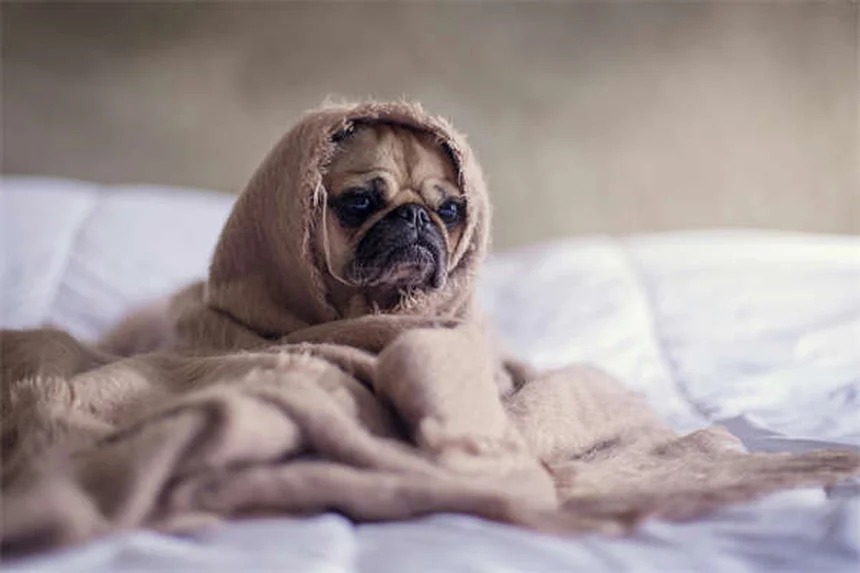 Photos provided by pixabay
The "I Want Something" Stare
This is the classic doggy manipulation technique. Your pup has learned that eye contact gets results. Around mealtime, walk time, or when you're holding something tasty, the stare intensifies.
My neighbor's Beagle has perfected the "double whammy" - she'll stare while slowly pushing her food bowl across the floor with her nose. It's impossible to ignore! Dogs are smart enough to associate specific times and objects with getting what they want. That's why you'll notice the stare often comes with other signals like pawing or heading to the door.
The "I Love You" Stare
Ever notice your dog gazing at you with those soft, dreamy eyes? That's the canine equivalent of a hug! Research shows that when dogs and humans lock eyes in this way, both experience a boost in oxytocin - the "love hormone."
But here's a question: Why do some dogs stare more than others? It often comes down to personality and breed tendencies. Herding breeds like Border Collies are notorious starers - it's in their DNA to keep constant watch over their flock (which in your case, is you!). On the flip side, more independent breeds might glance your way occasionally but won't fixate.
When Staring Signals Trouble
The Warning Stare
Not all stares are warm and fuzzy. A hard, unblinking gaze with a stiff body is your dog's way of saying "Back off." You'll often see this when a dog feels threatened or is guarding something valuable (like that stolen sock they're not supposed to have!).
I learned this the hard way when I tried to take a bone from my friend's dog. That intense stare froze me in my tracks - and rightfully so! In dog language, I was being incredibly rude. Now I know better than to interrupt a pup during chew time unless absolutely necessary.
 Photos provided by pixabay
The "I Want Something" Stare
Some dogs stare because they're worried you might disappear. Dogs with separation anxiety often develop this habit, watching your every move like you might vanish if they blink. If your dog seems stressed when staring (panting, pacing, whining), it's worth discussing with your vet.
There are great solutions for anxious starers:
- Interactive toys to keep them occupied
- Calming supplements (like CBD treats)
- Gradual training to build confidence
How to Respond to Your Dog's Stares
Reading the Situation
Next time your dog locks eyes with you, take a quick mental checklist:
- What's happening around us?
- What time is it?
- How does their body look?
This context helps decode the message. Is it dinner time? They're probably hungry. Are you holding their leash? They're ready for adventure. Is their body stiff? They might be uncomfortable.
The Right Way to Respond
Here's a pro tip: Don't immediately reward demanding stares. If you always give in to the "feed me" eyes, you're training your dog that intense staring gets results. Instead, wait for them to break contact before delivering what they want.
For affectionate stares, feel free to engage! Soft eye contact with slow blinks actually strengthens your bond. Try this: when your dog gives you those loving eyes, blink slowly back at them. Many dogs will mimic this calming signal.
Advanced Stare Communication
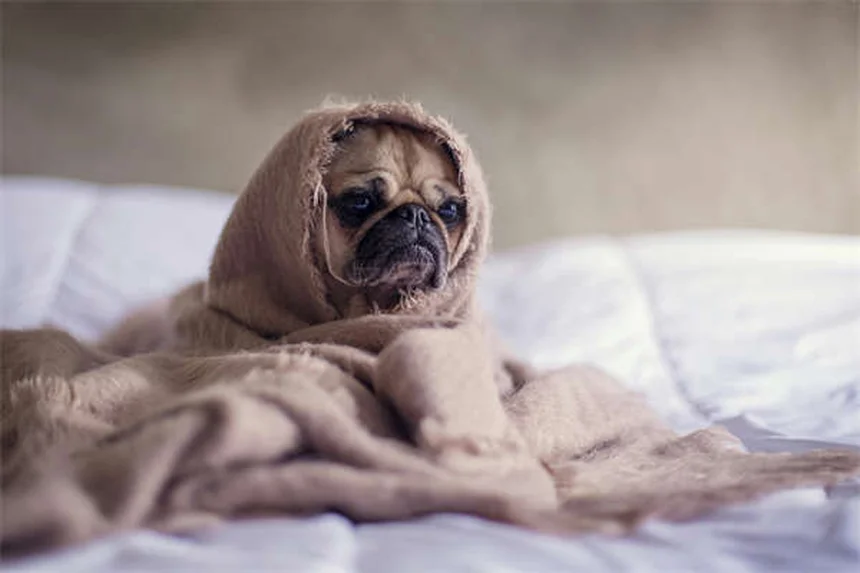 Photos provided by pixabay
The "I Want Something" Stare
Dogs are incredible observers. They notice our routines, moods, and even health changes. That "random" stare might actually be your dog picking up on something you haven't noticed yet!
My dog once stared at me oddly for hours before I realized I was coming down with a fever. Turns out dogs can detect subtle changes in our scent and behavior. So if your pup is giving you extra attention, it might be worth checking in with yourself!
The Playful Invitation
Many dogs use the stare as a prelude to play. You'll often see this followed by the classic "play bow" - front end down, butt in the air. This is dog for "Hey you! Let's have some fun!"
When you see this, feel free to engage! Grab their favorite toy and enjoy some bonding time. Just watch for overexcitement - some dogs get so amped they forget their manners. If play gets too rough, a quick time-out helps reset the energy.
Staring Do's and Don'ts
With Your Own Dog
Do:
- Return soft gazes with affection
- Use eye contact during training
- Notice changes in staring patterns
Don't:
- Stare down an uncomfortable dog
- Always reward demanding stares
- Ignore sudden increases in staring
With Unknown Dogs
This is crucial: Never maintain direct eye contact with a dog you don't know. In dog language, this can be seen as a challenge. Instead, use brief glances and watch their body language for comfort cues.
Remember that time at the dog park when that stranger's dog froze under your gaze? That was a clear "I'm not comfortable" signal. Looking away and turning slightly sideways would have helped ease the tension.
The Bottom Line on Dog Stares
Your dog's eyes are powerful communication tools. Whether they're saying "I adore you", "Where's my dinner?", or "Give me space", learning to read these signals deepens your bond. Pay attention, respond appropriately, and enjoy this special form of conversation with your best furry friend!
The Science Behind Those Puppy Dog Eyes
Evolution's Clever Trick
Did you know dogs have actually evolved special facial muscles just for communicating with humans? Those adorable eyebrow raises that make their eyes look bigger trigger our nurturing instincts. It's like nature installed a "melt human hearts" button!
Researchers found that dogs who make these expressive faces get adopted from shelters faster and receive more attention from their owners. My cousin's rescue dog Charlie is living proof - he could win an Oscar for his "sad eyes" performance when he wants extra treats. The funny part? He drops the act immediately after getting what he wants!
The Hormone Connection
When you and your dog share a loving gaze, both your brains release oxytocin - the same bonding hormone mothers and babies experience. This biological response explains why we feel so connected to our pets.
But here's something wild - wolves don't experience this chemical reaction when making eye contact with humans. This suggests dogs developed this ability specifically through their relationship with us over thousands of years. Makes you wonder - did we domesticate dogs, or did they domesticate us with those irresistible eyes?
Cultural Differences in Dog Staring
Breed-Specific Tendencies
Not all dogs stare equally! Herding breeds like Collies and Shepherds are genetically programmed to watch their humans closely. Meanwhile, scent hounds like Bloodhounds often seem to look right through you - they're too busy following their noses!
Check out these fascinating breed differences:
| Breed Type | Staring Frequency | Typical Reason |
|---|---|---|
| Herding Dogs | Constant | Awaiting commands |
| Companion Dogs | Moderate | Seeking affection |
| Independent Breeds | Rare | Self-sufficient |
Training Influences
How you interact with your dog shapes their staring habits. Dogs trained with lots of eye contact (like service dogs) maintain intense focus, while pups rewarded for independence might glance your way less often.
My friend's service dog Luna practically stares holes through people when she's working. But at home? Total couch potato who barely glances up from her nap! It's amazing how adaptable dogs can be based on what we teach them.
The Dark Side of Dog Staring
Obsessive Behaviors
While most staring is normal, some dogs develop compulsive staring habits that signal anxiety. These pups might fixate on shadows, lights, or specific objects for hours. This isn't healthy behavior and often requires professional help.
I once fostered a Border Collie who became obsessed with watching ceiling fans. We had to cover all the fans with sheets and gradually retrain her focus. With patience and proper stimulation, she learned to enjoy normal dog activities again.
Medical Causes
Sudden changes in staring behavior can indicate health issues. Vision problems, neurological conditions, or even pain might cause unusual gazing patterns. Always consult your vet if your dog's staring habits change dramatically.
Remember old Mr. Jenkins' Basset Hound who started staring at walls? Turns out he was developing canine cognitive dysfunction (doggy dementia). With medication and environmental changes, his symptoms improved significantly.
Fun Ways to Play With Eye Contact
The Staring Game
Try this bonding exercise: Sit quietly with your dog and maintain soft eye contact. See who blinks first! Most dogs will eventually look away, then sneak glances back at you. It's a great trust-building activity.
My niece and her Corgi have staring contests every evening. The hilarious part? The dog always "wins" by suddenly licking her face to break the tension! They both end up laughing and rolling on the floor together.
Hide and Seek With Eyes
Teach your dog to follow your gaze to find hidden treats. Start by making eye contact, then dramatically look at a hiding spot. When they investigate, reward them! This taps into their natural ability to read human visual cues.
After just a week of practice, my Labrador could find treats I "hid" with just a glance. Now he constantly scans my face for clues about where goodies might be. Smart cookie!
Staring Through the Life Stages
Puppy Eyes vs Senior Stares
Puppies often stare with wide-eyed curiosity about the world, while older dogs might gaze with calm wisdom. Senior dogs sometimes stare more due to fading senses - they're relying more on the familiar sight of their beloved humans.
My childhood dog Buddy went from playful puppy stares to gentle old-man gazes over his 15 years. In his final months, he'd often just watch me quietly as if memorizing my face. Those moments taught me how powerful silent communication can be between species.
Rescue Dogs and Eye Contact
Many rescue dogs need to learn comfortable eye contact. Abused pups might avoid looking directly at people initially. With patience, they discover that human eyes can mean love rather than threat.
The transformation when a formerly timid rescue dog finally makes trusting eye contact is magical. I've seen tough bikers tear up when a scared shelter dog first voluntarily gazes into their eyes. It's like watching someone open a precious gift.
Beyond Dogs: Cross-Species Staring
How Cats Communicate Differently
Unlike dogs, cats view prolonged eye contact as threatening. A slow blink from a cat is their version of a loving gaze. Try blinking slowly at your cat - they often return the gesture!
My sister's cat Mr. Whiskers will actually get up and leave if you stare at him too long. But slow blink at him? He'll purr and headbutt you affectionately. Funny how the same action (eye contact) means such different things across species!
Human Misinterpretations
We often project human meanings onto dog stares. That "guilty look" after they chew your shoe? Probably just reacting to your upset tone, not actual guilt. Dogs live in the moment - they're not dwelling on past mistakes like we do.
When I first got my dog, I swore he "knew he did wrong" when he'd avoid eye contact after mischief. Then I learned he was just picking up on my frustration! Now I laugh when he "apologizes" by bringing me a toy - his way of saying "Let's move on to happier things!"
E.g. :Why Does My Dog Stare At Me? Better Understand Dogs' Staring ...
FAQs
Q: Is it normal for my dog to stare at me constantly?
A: Constant staring can be normal but depends on the context. Some dogs, especially breeds like Border Collies, naturally stare more as part of their herding instincts. If your dog stares with soft, relaxed eyes and a wagging tail, they're probably just showing affection or checking in with you. However, if the staring seems intense, unbroken, and comes with signs of anxiety (like panting or pacing), it might indicate an underlying issue. My friend's rescue dog used to stare obsessively until we realized it was separation anxiety - with training and calming aids, this behavior improved significantly. The key is observing your dog's overall body language along with the stare.
Q: Why does my dog stare at me when I'm eating?
A: Your dinner looks (and smells) much better than dog food! When your dog stares during mealtime, they're using the most effective strategy they know to get what they want - your attention. Dogs quickly learn that staring at humans often results in shared food. My Labrador Max has perfected the "starving orphan" look that's nearly impossible to resist. While it's tempting to give in (those puppy eyes!), consistently rewarding this behavior teaches your dog that staring gets results. Instead, try redirecting them to their own food or a chew toy. If you do want to share a bite, wait until they've broken eye contact and are sitting calmly.
Q: Should I stare back at my dog?
A: It depends on the type of stare and your relationship with the dog. With your own dog, soft eye contact with slow blinks can actually strengthen your bond - it releases oxytocin (the "love hormone") in both of you. However, you should never engage in a staring contest or maintain intense eye contact, especially with an unfamiliar dog. I learned this lesson when a friend's dog interpreted my friendly gaze as a challenge. For unknown dogs, brief glances are safer. With your own pup, watch their reaction - if they seem uncomfortable (looking away, yawning), give them space. Happy, relaxed stares can be met with affection and gentle praise.
Q: What does it mean when my dog stares at me without blinking?
A: An unblinking stare often signals intense focus or potential discomfort. If your dog is staring hard at you with a stiff body, this could be a warning sign that they're feeling threatened or protective. I once made the mistake of approaching my dog when he had this "hard stare" over a new bone - he gave a low growl that clearly said "back off." On the flip side, some working breeds stare intently when waiting for commands. The difference is in the body language: a comfortable working stare comes with relaxed posture, while an uncomfortable stare includes tension throughout the body. When in doubt, err on the side of caution and give your dog space.
Q: Can staring be a sign of health problems in dogs?
A: Yes, sudden changes in staring behavior can indicate health issues. While occasional staring is normal, if your dog starts staring blankly at walls or seems disoriented, it could signal vision problems, cognitive decline, or even neurological conditions. My vet once told me about a case where a dog's increased staring turned out to be partial seizures. Other red flags include staring spells accompanied by confusion, bumping into objects, or changes in sleep patterns. Senior dogs in particular may develop "staring episodes" as part of canine cognitive dysfunction. If you notice unusual staring patterns, especially in an older dog, schedule a vet visit to rule out medical causes. It's always better to be safe than sorry when it comes to your pup's health!