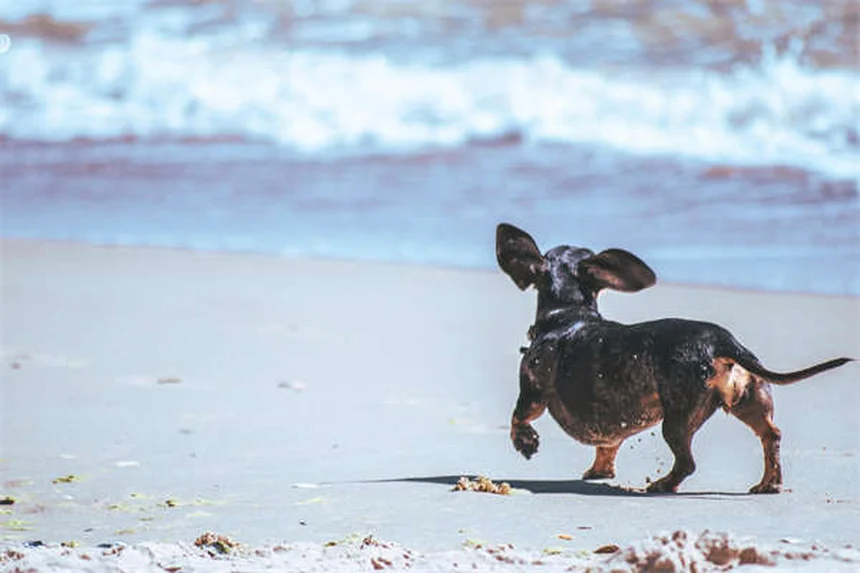

Can Dogs Laugh? The Surprising Truth About Dog Laughter
Dec 01,2025
Can dogs laugh? The answer is yes - but not in the way you might think! While dogs don't giggle like humans, they have their own special way of laughing through what scientists call play-panting. That adorable hhuh-hhah sound your pup makes during playtime? That's their version of laughter!We've all seen our dogs get that excited, wiggly look when we pull out their favorite toy. What you're witnessing is pure doggy joy - and research shows they can even recognize when we're laughing too. In fact, studies from Eötvös Loránd University prove dogs' brains light up differently when they hear happy human sounds versus normal noise.Here's something cool: you can actually use this knowledge to bond with your dog. By mimicking their play-pant sounds and responding to their playful body language, you're speaking their laughter language. And the best part? All this laughing (from both of you) reduces stress and strengthens your connection. Pretty amazing, right?
E.g. :Swim Bladder Disorders in Fish: Causes, Symptoms & Treatment
- 1、Do Dogs Really Laugh? Let's Break It Down
- 2、The Science Behind Canine Humor
- 3、The Emotional Connection Between Dogs and Laughter
- 4、Practical Applications of Dog Laughter
- 5、Fun Ways to Encourage Your Dog's "Laughter"
- 6、The Surprising Origins of Dog Laughter
- 7、Advanced Dog Laughter Techniques
- 8、Myth Busting: Dog Laughter Edition
- 9、Taking Dog Laughter to the Next Level
- 10、FAQs
Do Dogs Really Laugh? Let's Break It Down
What Does Dog "Laughter" Actually Sound Like?
You know that adorable panting sound your dog makes during playtime? That's their version of laughter! While we humans go "ha-ha," dogs produce this breathy "hhuh-hhah" sound through what scientists call play-panting. It's not exactly the same as human laughter, but it serves the same purpose - to show they're having fun!
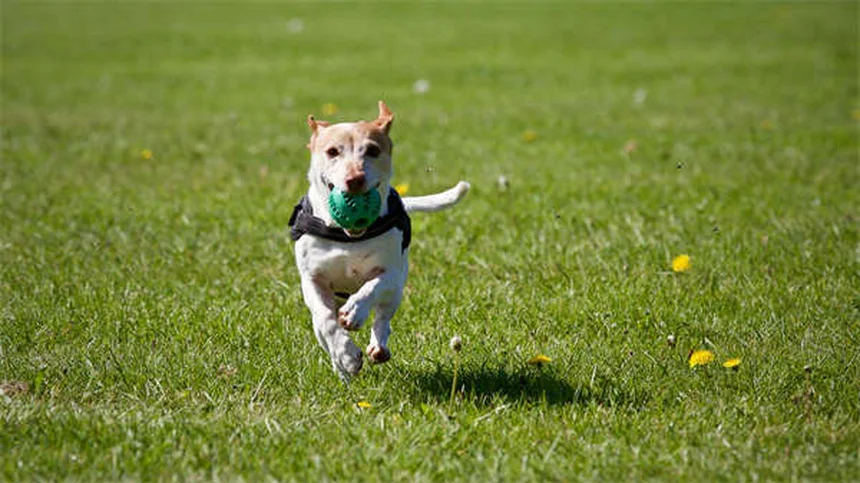
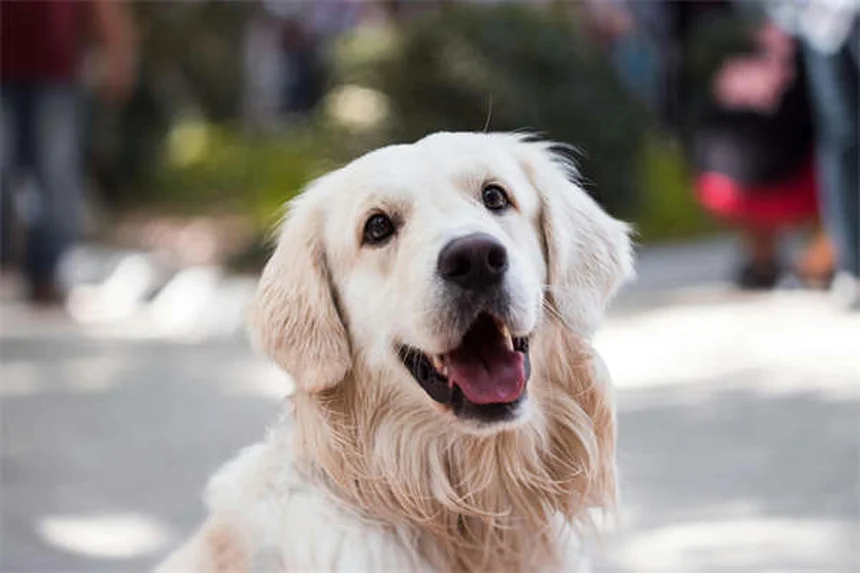
Imagine this scene: You're playing fetch with your golden retriever. After a few throws, you notice their mouth wide open, tongue hanging out, making those quick panting sounds. That's your pup saying, "This is awesome! Let's keep playing!" The famous animal behaviorist Konrad Lorenz described this exact expression as a dog's version of smiling and laughing.
How Dogs Use Body Language to "Laugh"
Dogs don't just use sounds to show happiness. Their whole body gets in on the action! Here are some telltale signs your dog is "laughing":
- Play bows (front legs down, butt in the air)
- Excited tail wagging that moves their whole body
- Bouncy, exaggerated movements
- That classic "doggy smile" with relaxed facial muscles
The Science Behind Canine Humor
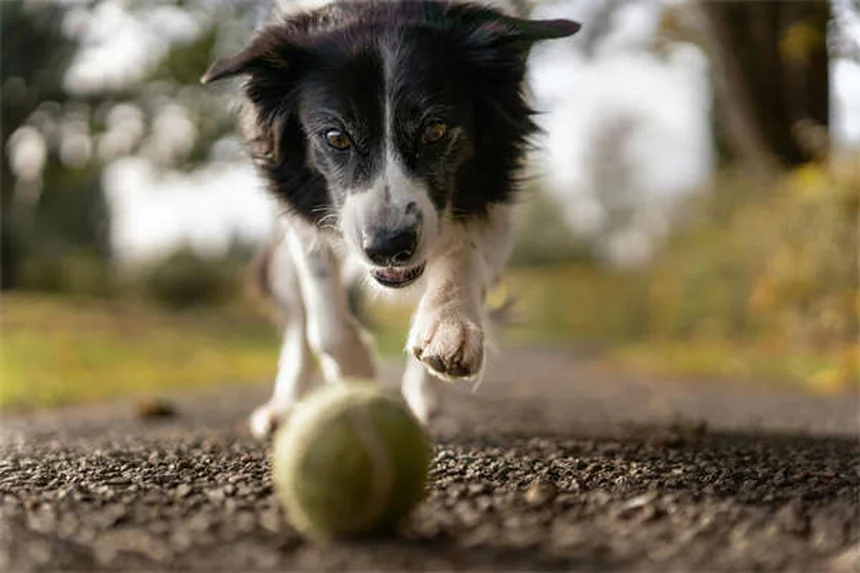 Photos provided by pixabay
Do Dogs Actually Understand Jokes?
Here's something that might surprise you: dogs have about the same mental capacity as a 2 to 2.5-year-old human child. Charles Darwin himself was one of the first scientists to notice that dogs seem to have a sense of humor!
Think about your dog's personality. Some are total goofballs who love making you laugh, while others are more serious. Turns out, breed plays a big role in this. Check out this comparison of playful vs. serious breeds:
| Most Playful Breeds (Biggest "Sense of Humor") | Least Playful Breeds |
|---|---|
| Irish Setter | Samoyed |
| English Springer Spaniel | Chihuahua |
| Miniature Schnauzer | Rottweiler |
Can Dogs Tell When We're Laughing?
Ever notice how your dog reacts when you laugh? There's actual science behind this! Researchers in Hungary used brain scans to show that dogs can distinguish between happy sounds (like laughter) and other noises. Their brains light up differently when they hear human laughter compared to random sounds.
Here's a fun experiment you can try at home: Next time you're watching a comedy show, pay attention to your dog. Do they come over when they hear you laughing? Many dogs will actually join in the fun with their own play-pants or bring you a toy!
The Emotional Connection Between Dogs and Laughter
Do Dogs Get Embarrassed When We Laugh at Them?
Let me ask you something: Have you ever laughed when your dog does something silly, like slipping on the floor or getting their leash tangled? You might wonder - are they embarrassed?
Here's the good news: dogs don't experience embarrassment the way humans do. While they can tell the difference between positive and negative emotions, they don't understand social embarrassment. That goofy face they make after tripping? That's just them being adorable, not ashamed!
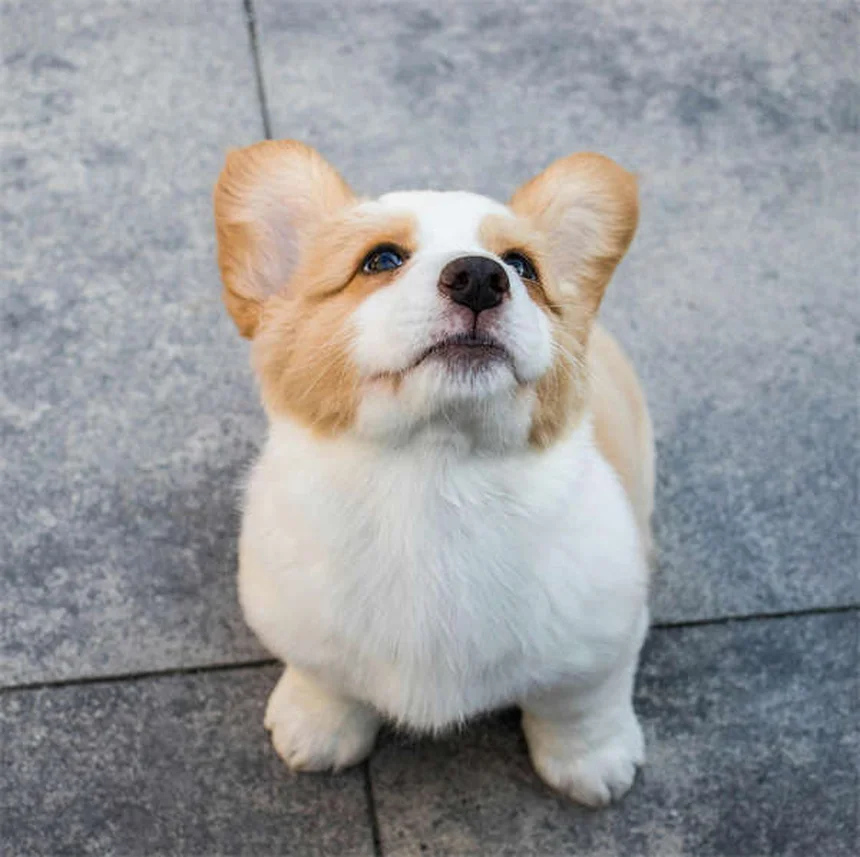 Photos provided by pixabay
Do Dogs Actually Understand Jokes?
Absolutely! Many dogs learn that certain behaviors get positive reactions from their humans. Your labrador might intentionally do his silly "butt wiggle" dance because he knows it makes you laugh. It's their way of bonding with you and creating positive interactions.
I remember my neighbor's pug who would deliberately cross his eyes when he wanted attention. Was it a natural behavior? Probably not. Did he learn it got laughs and pets? You bet!
Practical Applications of Dog Laughter
Can You Make Your Dog "Laugh"?
You can actually use dog laughter sounds to help anxious pups! Animal shelters often play recordings of play-panting to calm nervous dogs. Here's how you can try it:
- Use a happy, high-pitched voice
- Make quick panting sounds ("hhuh-hhah")
- Combine it with play bows and happy body language
This technique works wonders for helping shy dogs feel more comfortable in new environments. I've seen foster dogs transform from scared to playful just by hearing these positive sounds!
The Healing Power of Laughter (For Both of You!)
Did you know that laughing with your dog has real health benefits? It's true! Shared laughter and play:
- Reduces stress hormones in both humans and dogs
- Releases feel-good endorphins
- Strengthens your bond
- Provides great exercise (for you both!)
So next time you're feeling down, try some playtime with your pup. Before you know it, you'll both be "laughing" and feeling better!
Fun Ways to Encourage Your Dog's "Laughter"
 Photos provided by pixabay
Do Dogs Actually Understand Jokes?
Want to hear more of your dog's happy sounds? Try these activities:
Tug-of-war: Most dogs go crazy for this game. Just remember to let them win sometimes!
Chase games: Run away with a toy and watch your dog's playful side come out. Pro tip: the sillier you run, the more they'll "laugh"!
Hide-and-seek: Hide behind furniture and call your dog. The excitement of finding you often leads to those happy panting sounds.
Reading Your Dog's Playful Signals
How can you tell if your dog is truly enjoying themselves? Look for these signs of genuine "laughter":
Relaxed, open mouth (not tense)
Loose, wiggly body movements
Frequent play bows
Soft, happy eyes (no whale eye or tension)
Remember, every dog has their own unique way of showing happiness. The more time you spend playing together, the better you'll understand your dog's special "laugh"!
The Surprising Origins of Dog Laughter
How Wolf Pups Inspired Dog Laughter
Ever wonder where this adorable behavior comes from? Turns out, we can trace dog laughter back to their wolf ancestors. Wolf pups make similar panting sounds during play, which helps strengthen social bonds in the pack. Domestic dogs just turned this behavior up to eleven!
Here's something fascinating - researchers found that recorded dog laughter can actually calm shelter dogs better than human speech. In one study, dogs exposed to play-panting sounds showed significantly lower stress levels than those hearing regular human voices. Makes you think twice about baby-talking to nervous pups, doesn't it?
The Cultural Differences in Dog Laughter
Did you know dogs in different countries might "laugh" slightly differently? While the basic play-pant remains universal, some breeds develop unique vocalizations based on their human families. Japanese Shiba Inus, for example, are famous for their dramatic "screams" during play that sound nothing like typical dog laughter!
I once met a French Bulldog in Paris who'd perfected this hilarious snort-laugh combination whenever his owner pretended to sneeze. It just goes to show how adaptable and creative dogs can be when it comes to expressing joy.
Advanced Dog Laughter Techniques
Teaching Your Dog to "Laugh" on Command
You can actually train your dog to play-pant when you give a specific cue! Here's how I taught my Labrador:
First, wait for natural play-panting during an exciting game. The moment you hear it, say your chosen cue word ("Laugh!" or "Happy!") and immediately reward with a treat. After several repetitions, your dog will start associating the word with the action.
Now here's the kicker - once they've got it down, you can use this command to help anxious dogs at the park or cheer up a sad family member. Talk about a party trick with actual emotional benefits!
The Art of Dog Laughter Yoga
Have you heard about the growing trend of dog laughter yoga? Human laughter yoga sessions are now being adapted for canine participants. The routine goes like this:
- Human makes exaggerated laughing sounds
- Dog responds with play-pants and wiggles
- Both engage in silly, playful movements
- End with calming belly rubs
Participants report measurable decreases in blood pressure for both species. Who knew being silly with your pup could be so healthy?
Myth Busting: Dog Laughter Edition
Do Dogs Only "Laugh" at Other Dogs?
Here's a question that might surprise you: Do dogs reserve their laughter just for canine friends? The answer reveals something beautiful about our bond with them.
Studies show dogs actually produce more play-panting sounds during human interactions than with other dogs. That's right - your dog might be laughing more with you than with their best furry friend! It suggests they've evolved specialized ways to communicate joy specifically with their human families.
The Truth About "Guilty" Dog Expressions
We've all seen those viral videos of dogs making "guilty" faces after doing something naughty. But here's the reality check - that adorable expression isn't guilt at all. It's actually a stress response to human disapproval.
When researchers set up controlled experiments where owners mistakenly scolded dogs who hadn't actually misbehaved, the pups still showed those "guilty" looks. The takeaway? Your dog isn't laughing at their mischief - they're trying to calm you down when you're upset!
Taking Dog Laughter to the Next Level
Creating a Laughter-Rich Environment
Want your home to be a canine comedy club? Try these simple adjustments:
Keep toys in every room for spontaneous play sessions. Rotate them weekly to maintain novelty. Play recordings of happy dog sounds during stressful times (like thunderstorms). Most importantly, make time for daily unstructured play - no rules, just fun!
You'll be amazed at how these small changes can transform your dog's overall mood and behavior. A laughing dog is a happy dog, after all.
The Future of Dog Laughter Research
Scientists are just scratching the surface of understanding canine vocalizations. Emerging studies are exploring:
| Research Area | Potential Applications |
|---|---|
| AI analysis of play-pants | Developing dog mood detection apps |
| Cross-species laughter | Improving animal-assisted therapy |
| Genetic components | Breeding happier working dogs |
Who knows? Maybe someday we'll have dog laugh translators on our phones! Until then, we'll just have to rely on good old-fashioned playtime to keep those happy sounds coming.
E.g. :Can Dogs Laugh? | PetMD
FAQs
Q: What does dog laughter sound like?
A: Dog laughter sounds completely different from human laughter, but it's just as meaningful! Instead of "ha-ha" sounds, dogs make this breathy "hhuh-hhah" panting noise when they're happy and playful. Scientists call it play-panting, and it's their way of saying "This is fun!" You'll often hear it during games of fetch or tug-of-war. The sound comes from quick, forceful breathing rather than vocal cords. Next time you're playing with your pup, listen closely - you might catch them "laughing" without even realizing it!
Q: Do dogs understand when humans laugh?
A: Absolutely! Research shows dogs are incredibly attuned to human emotions, including laughter. Brain scan studies from Hungary prove dogs can distinguish between happy sounds (like laughter) and other noises. Here's how it works: when you laugh, your dog's brain processes it as a positive social signal. Many dogs will actually respond by becoming more playful or bringing you toys. Some even try to "join in" with their own play-pants! It's one of the many ways our furry friends show they're connected to us emotionally.
Q: Can I make my dog laugh?
A: You bet! While you can't exactly tell a joke to your pup, there are great ways to encourage their "laughter." Try making quick, happy panting sounds ("hhuh-hhah") while playing - many dogs respond enthusiastically to this. Animal shelters actually use recordings of play-panting to calm nervous dogs! The key is combining the sounds with positive body language: play bows, relaxed movements, and lots of smiles. Different breeds respond differently though - playful breeds like Irish Setters will "laugh" more easily than serious breeds like Rottweilers.
Q: Do dogs have a sense of humor?
A: According to experts, dogs have about the same mental capacity as a 2-year-old human - and yes, that includes a sense of humor! Charles Darwin himself noted that dogs seem to enjoy playful mischief. You've probably seen your dog do something silly just to get your reaction, right? That's their version of joking around! Some dogs even develop their own "comedy routines" - like my friend's pug who crosses his eyes on command. While their humor might be simple, there's no doubt dogs enjoy making us laugh and being laughed with (not at!).
Q: Is it good to laugh with my dog?
A: Laughing with your dog is one of the best things you can do for both of you! Here's why: shared laughter and play reduces stress hormones in humans and dogs alike. It releases feel-good endorphins that boost mood. Plus, it strengthens your bond in ways words can't describe. Try this tonight - instead of just petting your dog, engage in some silly play that gets you both "laughing." You'll be amazed at how quickly your connection deepens. After all, as any dog lover knows, sometimes the best conversations happen without words at all!