
How to Read Dog Body Language: 5 Key Signs You Need to Know
Dec 01,2025
How to read dog body language? The answer is: By observing their ears, tail, eyes, mouth, and overall posture together! I can't tell you how many times I've seen people misunderstand their dogs because they only looked at one signal - like thinking a wagging tail always means happiness. That's why we're breaking down the complete picture today.You'll learn to spot when your pup is truly relaxed versus when they're just putting on a brave face. We'll cover everything from those adorable love eyes to the subtle stress signals most owners miss. Trust me, once you understand this silent language, you'll wonder how you ever lived without it - your relationship with your dog will reach a whole new level!
E.g. :Syrian Hamster Care: 5 Essential Tips for Your Golden Pet
- 1、Understanding Your Dog's Silent Language
- 2、The Happy Dance: Relaxed Dog Signs
- 3、On High Alert: Reading Focused Dogs
- 4、Stress Signals: When Dogs Feel Uneasy
- 5、Fearful Body Language: Recognizing Canine Anxiety
- 6、From Submission to Aggression: The Full Spectrum
- 7、Putting It All Together
- 8、Beyond the Basics: Advanced Canine Communication
- 9、Cultural Differences in Dog Communication
- 10、Reading Between the Lines: Context Matters
- 11、Special Cases: Puppies and Senior Dogs
- 12、Practical Applications
- 13、Final Thoughts
- 14、FAQs
Understanding Your Dog's Silent Language
The Power of Body Talk
You know that feeling when your dog gives you "the look" and you just know exactly what they want? That's the magic of canine body language! Dogs might not speak English, but they're constantly sending us signals through their posture, tail, ears, and facial expressions.
Let me share a funny story - last week, my neighbor's golden retriever sat by my feet staring at my sandwich. His ears perked forward, tail doing that helicopter wag, and he kept licking his lips. Even a kid could tell that dog wanted a bite! That's the beauty of understanding dog body language - it helps us connect better with our furry friends.
Why It Matters More Than You Think
Did you know that most dog bites happen because people misread warning signs? When we understand what dogs are really saying, we prevent scary situations. It's like learning a secret code that makes both you and your dog happier.
Here's a quick comparison of two common tail wags:
| Tail Position | Speed | What It Means |
|---|---|---|
| High and stiff | Fast, short movements | Alert or potentially aggressive |
| Medium height | Loose, sweeping motions | Happy and relaxed |
The Happy Dance: Relaxed Dog Signs
 Photos provided by pixabay
Spotting a Content Pup
When your dog is truly relaxed, their whole body looks loose and wiggly. Picture this: my dog Max after his morning walk - tongue lolling out, tail doing big happy swings, and his floppy ears bouncing as he trots. That's textbook relaxed body language!
Key signs of a happy dog:
- Soft, squinty eyes (we call them "love eyes")
- Ears in natural position (not pinned back or stiff)
- Loose, wiggly body movements
- Tail wagging in broad, sweeping motions
Playtime Body Language
Ever seen dogs do that play bow? Front legs stretched forward, butt in the air, tail wagging like crazy? That's their way of saying "Let's play!" During play, even relaxed dogs might show some exaggerated movements - big jumps, silly face expressions, and those hilarious play growls that sound scarier than they are.
On High Alert: Reading Focused Dogs
The Squirrel Watch Stance
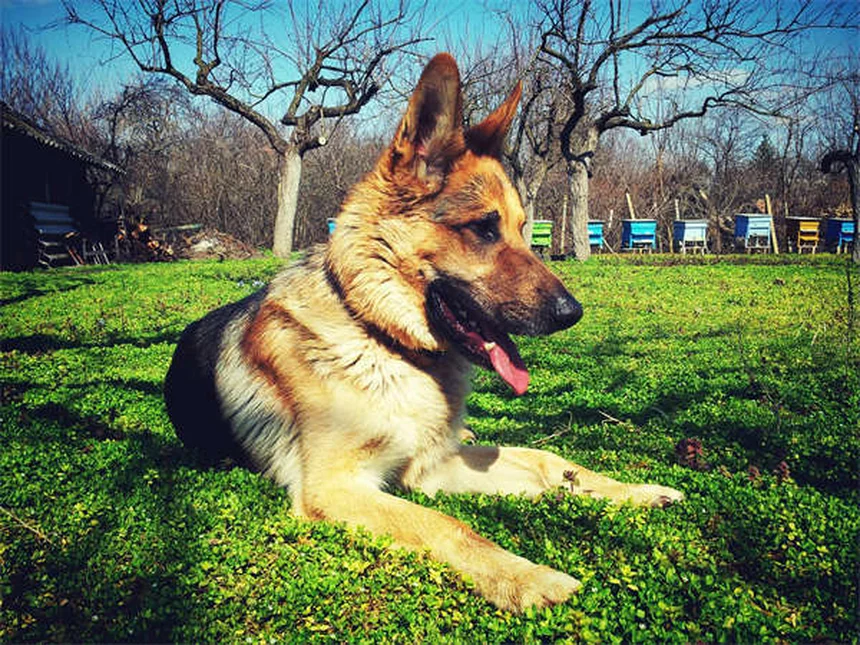
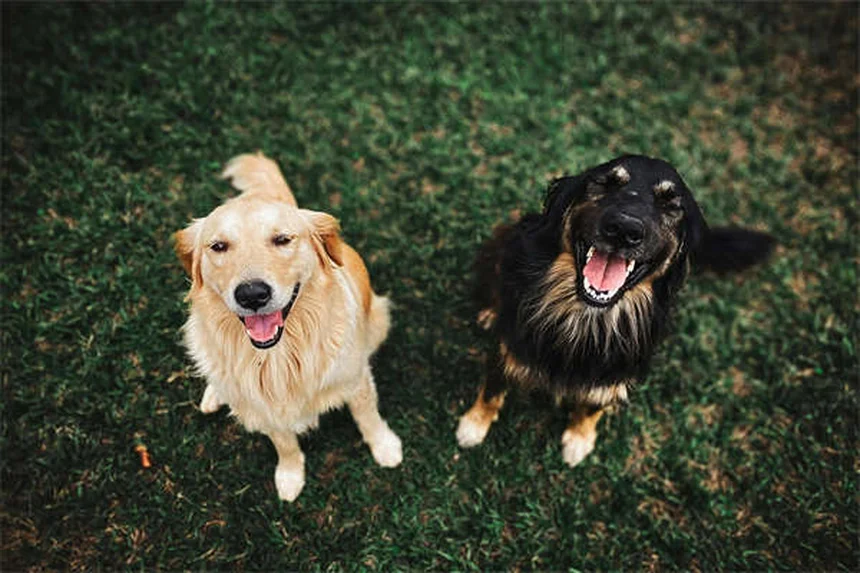
You've probably seen this - your dog suddenly freezes, ears pricked forward, body tense. Maybe they spotted a squirrel or heard an interesting noise. This alert posture means they're gathering information about their environment.
But here's something interesting - did you know alert doesn't always mean aggressive? Many people mistake an alert dog for an angry one. The key difference is in the mouth - an alert but calm dog keeps their mouth relaxed, while an aggressive dog shows tension around the lips.
 Photos provided by pixabay
Spotting a Content Pup
Let's examine my friend's border collie when she's herding. Her ears stand straight up like little radar dishes, eyes laser-focused, body perfectly still except for slight tail movements. Every muscle is ready for action, but there's no aggression - just intense concentration.
Stress Signals: When Dogs Feel Uneasy
Subtle Signs You Might Miss
Dogs show stress in ways we often overlook. That yawn when you put their leash on? Probably not tiredness - it's stress! The lip licking when meeting a new dog? That's their way of saying "I'm uncomfortable."
Other common stress signals include:- Turning their head away- Sudden sniffing of the ground- Shaking off like they're wet (when they're dry)- Excessive scratching
The Freeze Response
Here's a scary thought - when dogs feel really threatened, they might completely freeze. Their body goes stiff, eyes wide, muscles tense. This isn't them being stubborn - it's a fear response. I once saw a rescue dog do this when a loud truck passed by, and it broke my heart realizing how scared he was.
Fearful Body Language: Recognizing Canine Anxiety
 Photos provided by pixabay
Spotting a Content Pup
A truly fearful dog tries to make themselves as small as possible. Their ears flatten against their head, tail tucks between their legs, and they might crouch low to the ground. Some dogs even roll over to show their belly - not for rubs, but as a submissive gesture.
Ever heard of "whale eye"? That's when dogs show the whites of their eyes while looking away. It's a clear back off signal that many people miss until it's too late.
Weight Distribution Tells a Story
Here's a pro tip - watch where your dog puts their weight. Fearful dogs lean back, ready to retreat. Confident dogs stand evenly or lean forward. Aggressive dogs shift weight forward to attack. Next time you see an uncertain dog, notice how their weight shifts away from whatever scares them.
From Submission to Aggression: The Full Spectrum
Appeasement Gestures Explained
Remember when we called this "submissive" behavior? Experts now prefer "appeasement" because it's more accurate. These are behaviors dogs use to calm situations down. The classic example? That awkward doggy smile where they show front teeth - not aggression, just trying to say "I come in peace!"
Aggression: More Than Just Growling
Did you know there are 11 types of canine aggression? From fear-based to protective, each has slightly different body language. The common thread? Tension. An aggressive dog's body becomes rigid, fur might stand up (piloerection), and their stare becomes intense and unblinking.
Here's something important - a wagging tail doesn't always mean friendly! A high, stiff wag with quick movements often precedes aggression. That's why we always say look at the whole dog, not just one body part.
Putting It All Together
Real-Life Reading Practice
Let's test your skills! Imagine this scenario: You're at the dog park and see a new dog approach yours. The stranger's ears are forward, tail medium height with loose wags, mouth slightly open with relaxed lips. What's your assessment?
If you guessed friendly and approachable, you're getting the hang of this! Now imagine that same dog suddenly freezes, tail goes stiff high, and lips tighten. That's your cue to calmly create space between the dogs.
Building Better Bonds
The more you practice reading dog body language, the better you'll understand your canine companion. Start by observing your own dog in different situations - during meals, playtime, when meeting new people. You'll start noticing patterns that help you anticipate their needs and emotions.
Remember that time I thought my dog was being stubborn about going outside? Turns out he was showing stress signals because of a scary garden decoration! Once I understood his body language, we solved the problem together. That's the power of this knowledge - it transforms your relationship with your dog.
Beyond the Basics: Advanced Canine Communication
The Secret Language of Doggy Smells
You know how dogs sniff everything? That's their version of reading the morning newspaper! While we focus on visual cues, dogs gather tons of information through their incredible sense of smell. When your dog sniffs another dog's rear end, they're learning about that dog's age, gender, health status, and even mood!
Here's something wild - dogs can smell human emotions too. When you're stressed or anxious, your body releases different chemicals that your dog can detect. That's why some dogs become extra cuddly when you're feeling down. They're not just being sweet - they're responding to your chemical signals!
Vocalizations That Tell a Story
Ever noticed how your dog's barks sound different in various situations? There's actually a whole vocabulary in those woofs! High-pitched, short barks usually mean excitement ("Hey! The mailman's here!"), while low, drawn-out barks often signal warning ("I'm protecting my home").
Let me share a funny example from my own life. My beagle makes this ridiculous "aroo" sound when he wants attention - it's like a cross between a howl and a whine. At first I thought he was in pain, but turns out it's just his way of saying "Pay attention to me right now!"
Cultural Differences in Dog Communication
How Breed Affects Body Language
Did you know some breeds have naturally different body language? For example, many hound breeds have droopy ears that make it harder to see ear positioning. And those adorable squishy-faced dogs like pugs? Their facial expressions can be tougher to read because of all those wrinkles!
Here's a quick comparison of how different breeds show happiness:
| Breed Type | Happy Signal | Unique Trait |
|---|---|---|
| Retrievers | Full-body wiggles | Often carry objects when excited |
| Herding Dogs | Intense eye contact | May nip at heels when overexcited |
| Sighthounds | Subtle tail wags | Often more reserved in expressions |
Regional Differences in Dog Behavior
Here's something fascinating - dogs in different parts of the world actually communicate slightly differently! City dogs tend to be more comfortable with close contact and loud noises, while rural dogs might be more alert to wildlife sounds. It's like how New Yorkers and Texans have different accents!
Reading Between the Lines: Context Matters
The Whole Picture Approach
Ever seen a dog wag its tail while growling? That confusing contradiction shows why we need to look at the whole picture. A wagging tail alone doesn't tell the full story - you've got to consider the speed, height, and what the rest of the body is doing.
Think of it like reading a text message - the words matter, but so does the punctuation and emoji choice! A message saying "Great" with a smiley face means something totally different than "Great." with a period.
Common Misinterpretations
Why do so many people get bitten by "friendly" dogs? Often because they misread the signs. That dog who seems to be smiling might actually be showing stress signals. And that "guilty look" when your dog chews your shoe? It's not guilt - it's responding to your angry body language!
Here's a personal example: My cousin thought her dog loved being hugged because he stayed still. Turns out, he was actually freezing in discomfort - something we realized when we noticed his whale eye and lip licking. Now she shows affection in ways he truly enjoys.
Special Cases: Puppies and Senior Dogs
Baby Talk: Understanding Puppy Language
Puppies have their own special way of communicating! Their body language is often more exaggerated because they're still learning the ropes. That super enthusiastic tail wag that knocks over everything? That's puppy excitement dialed up to eleven!
But here's something important - puppies also give clear "I'm done" signals when they're tired of play or handling. They might suddenly lie down, walk away, or give gentle mouthing. It's crucial we respect these signals to help them grow into confident adult dogs.
Golden Oldies: Senior Dog Communication
As dogs age, their communication style often changes. That stiff tail wag might not mean they're less happy - it could just be arthritis. And when an older dog seems less responsive, it might be hearing loss rather than ignoring you.
I've noticed my 12-year-old lab communicates differently now. He doesn't jump up when I come home anymore, but he does this adorable tail thump against the floor. It's his senior version of saying "I'm so happy to see you!"
Practical Applications
Dog Park Diplomacy
Ever wonder why some dog park meetings go smoothly while others turn into chaos? It's all about reading the room - or in this case, reading the pack! Before letting dogs interact, smart owners watch for relaxed, reciprocal body language from both parties.
Here's a pro tip: When introducing dogs, try parallel walking first rather than face-to-face meetings. This takes pressure off and lets them get comfortable at their own pace. I've used this technique countless times with great success!
Training Through Understanding
When you understand dog body language, training becomes way more effective. You can spot the exact moment your dog gets confused (usually shown by head tilts or sudden sniffing) and adjust your approach. It's like having a secret decoder ring for dog training!
For example, when teaching my dog "stay," I noticed he'd lick his lips when he was about to break position. Now I can reward him right before that happens, making training sessions much more successful.
Final Thoughts
Continuing Your Education
The more you learn about dog body language, the more fascinating it becomes! I still discover new nuances all the time. Just last month, I learned that some dogs show stress by suddenly becoming very interested in grooming themselves - who knew?
Why not start a dog body language journal? Jot down interesting interactions you observe at the park or with your own dog. You'll be amazed at how quickly your observation skills improve!
Sharing the Knowledge
Now that you're becoming a dog body language expert, share what you've learned with others! Teach kids in your family how to safely approach dogs. Help friends understand why their dog does certain behaviors. Together, we can create a world where humans and dogs understand each other better than ever.
Remember that time you thought your dog was just being weird? Now you've got the tools to understand what they were really saying. Isn't it amazing how much our dogs have been trying to tell us all along?
E.g. :Understanding Dog Body Language: Decipher Dogs' Signs & Signals
FAQs
Q: What does it mean when a dog's tail is wagging?
A: Here's the truth about tail wagging that surprises most dog owners - it's not always about happiness! As a dog trainer for over 10 years, I've learned that tail position and movement tell different stories. A loose, sweeping wag at spine level usually means your dog is relaxed and happy. But a high, stiff wag with quick movements often signals alertness or potential aggression. The key is to look at the whole body - a happy wag comes with wiggly body language, while a tense wag accompanies stiff posture. Remember my golden rule: Never judge a dog's mood by the tail alone!
Q: How can I tell if my dog is stressed or anxious?
A: Let me share what I've noticed after working with hundreds of anxious dogs - stress signals are often subtle and easy to miss. Your dog might yawn when not tired, lick their lips frequently, or suddenly start sniffing the ground for no reason. Other signs include shaking off like they're wet (when dry), avoiding eye contact, or showing "whale eye" (where you see the whites of their eyes). I always tell my clients: "If your dog seems to be doing something 'random,' pause and check their environment for stressors." These behaviors are your dog's way of coping with discomfort - recognizing them early prevents escalation.
Q: What body language shows a dog wants to play?
A: Nothing makes me happier than seeing dogs give clear play signals! The classic "play bow" is unmistakable - front legs stretched forward, rear end in the air, tail wagging wildly. But here are some other playful cues I've observed: exaggerated, bouncy movements, relaxed open-mouth "smiles," and those hilarious play growls that sound scarier than they are. A playful dog's ears are usually in natural position (not pinned back), and their eyes have a bright, engaged expression. Pro tip: If you're unsure, try mimicking a play bow yourself - most dogs will respond enthusiastically if they're in a playful mood!
Q: How do dogs show they're afraid?
A: Having worked with rescue dogs, I've seen every fear response imaginable. A truly fearful dog tries to make themselves small - ears flattened, tail tucked, body low to the ground. Some will roll over to expose their belly (not for rubs, but as submission). You might notice trembling, excessive shedding, or attempts to hide. What breaks my heart is when people mistake fear for "guilt" - that "I did something wrong" look is actually stress about your reaction! The biggest mistake I see? People forcing fearful dogs into situations, thinking they'll "get over it." Always let fearful dogs approach at their own pace.
Q: What are the warning signs of aggression in dogs?
A: After handling countless aggression cases, I can tell you the warning signs are often missed until it's too late. Key signals include: stiff body posture, intense staring without blinking, raised hackles (fur standing up), and lips pulled back to show teeth. But here's what most people don't realize - some dogs give subtle warnings first, like freezing or showing whale eye. I always teach my clients the "3 F's" of aggression: Freeze (first warning), Fidget (stress signals), Fight (last resort). The sooner you recognize early signs, the better you can prevent situations from escalating. Remember: aggression usually comes from fear or discomfort, not "bad dogs."