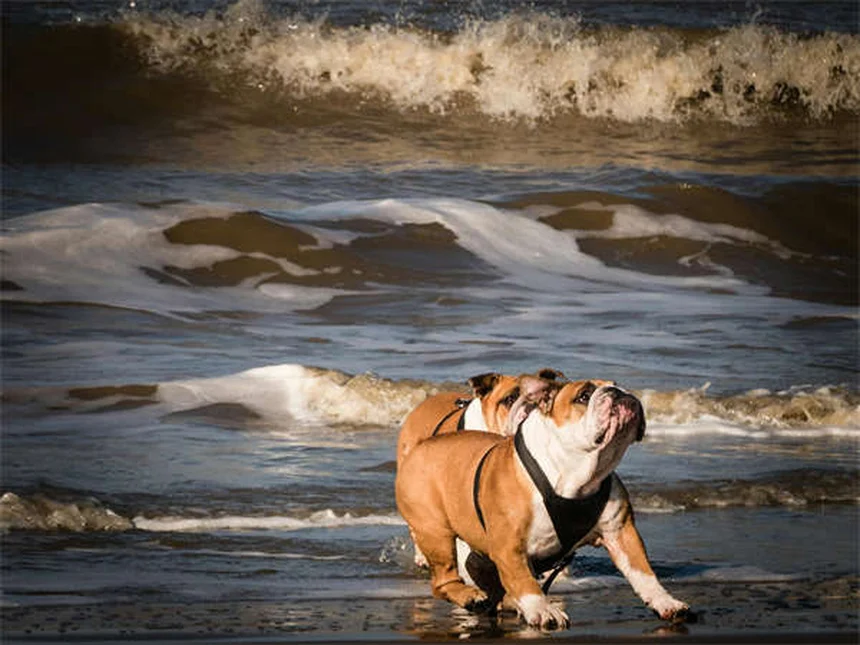

How to Keep Your Dog Warm in Winter: 7 Essential Tips
Dec 30,2025
Wondering how to keep your dog warm in winter? Here's the deal: your furry friend needs just as much protection from the cold as you do! While some dogs like Huskies have thick coats, most pets aren't built for freezing temperatures. Small dogs, short-haired breeds, puppies, and seniors get cold fastest - sometimes even before you feel chilly yourself!I've seen too many dog owners make the mistake of thinking fur equals warmth. The truth? Your dog's ears, paws and tail are especially vulnerable to frostbite. And here's something that might surprise you - dogs actually feel cold faster than humans because their normal body temperature is higher (about 101-102.5°F). That means when the temperature drops, they notice it more!In this guide, I'll show you exactly how to spot when your pup is too cold, the best winter gear to invest in, and smart ways to keep them cozy both indoors and out. Whether it's choosing the right sweater or preparing for winter emergencies, you'll learn everything needed to be the best pet parent this winter season.
E.g. :Why Do Dogs Roll in Grass? 5 Surprising Reasons Explained
- 1、Understanding Your Dog's Winter Needs
- 2、Spotting the Signs of a Cold Dog
- 3、Winter Wardrobe for Your Pup
- 4、Safe Outdoor Time in Winter
- 5、Emergency Winter Preparedness
- 6、Winter Activities for You and Your Dog
- 7、Beyond the Basics: Advanced Winter Care Tips
- 8、Grooming Secrets for Winter Months
- 9、Traveling With Your Dog in Winter
- 10、Senior Dog Winter Care
- 11、Puppy Winter Care Essentials
- 12、FAQs
Understanding Your Dog's Winter Needs
Why Dogs Feel Cold Just Like Us
You know that shivery feeling when you forget your jacket on a winter day? Well, guess what - your furry friend experiences the same thing! Dogs are mammals just like humans, and while their fur coat provides some protection, it's not enough against prolonged cold exposure.
Here's something interesting - dogs actually have a higher baseline body temperature than we do (about 101-102.5°F compared to our 98.6°F). But don't let that fool you into thinking they're always warm. Their ears, paws, and tails have less fur coverage and are particularly vulnerable to frostbite. Small dogs lose body heat faster because they have more skin surface relative to their size - it's like comparing a teaspoon of hot water to a thermos!
Breed Differences in Cold Tolerance
Not all dogs are created equal when it comes to winter weather. Let me break it down for you:
| Cold-Resistant Breeds | Cold-Sensitive Breeds |
|---|---|
| Siberian Huskies | Greyhounds |
| Newfoundlands | Chihuahuas |
| Golden Retrievers | Dachshunds |
But wait - did you know that age and health play a huge role too? Puppies and senior dogs struggle more with temperature regulation. Older pups lose muscle mass (nature's built-in insulation), and sick dogs have bodies focused on healing rather than staying warm.
Spotting the Signs of a Cold Dog
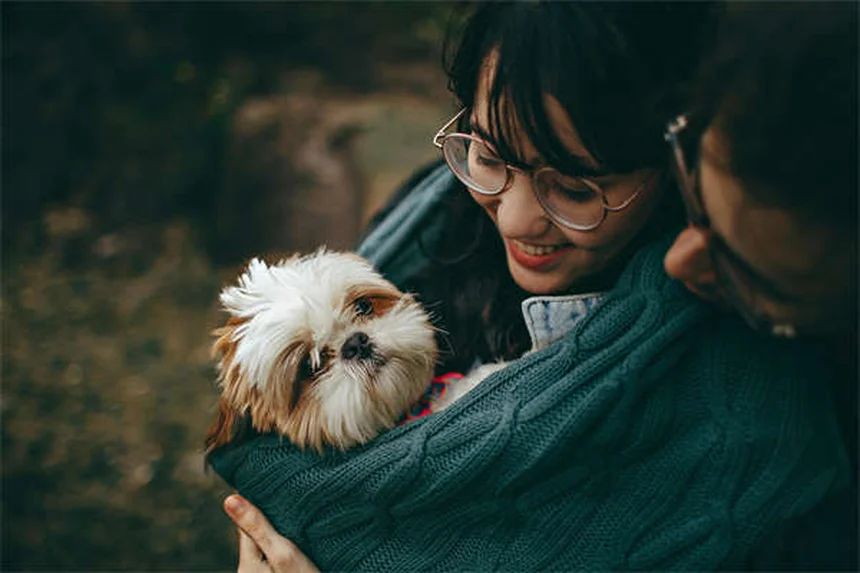 Photos provided by pixabay
Obvious Signals Your Pup is Freezing
Dogs are pretty good at telling us when they're uncomfortable - if we pay attention! Here are the clear signs your dog needs to warm up:
• Shivering like they're dancing to silent music
• Lifting paws off the cold ground like it's hot lava
• Whining more than a teenager asked to do chores
• Tucking their tail between their legs
Ever seen your dog walk funny in the cold? That awkward, hunched posture with their belly tucked up is their way of saying "Get me inside, human!"
Dangerous Signs of Hypothermia
Now this is serious business. If your dog shows any of these symptoms, they need immediate veterinary attention:
"Why is my dog acting so spacey?" Good question! Confusion and lethargy in cold weather often mean their body temperature has dropped dangerously low. Their muscles might stiffen up, and in severe cases, they could even lose consciousness.
Remember that time you stayed out too long skiing and couldn't feel your fingers? That's what frostbite feels like for your dog's ears and paws. Never ignore these warning signs - hypothermia can be fatal if not treated promptly.
Winter Wardrobe for Your Pup
Cozy Indoor Solutions
Let's talk about creating a warm sanctuary for your dog inside your home. First rule of thumb: if you're reaching for a sweater, your dog probably needs one too!
Invest in a good quality dog bed with thermal properties - some even reflect body heat back to your pup. Heated blankets are great (under supervision), but my personal favorite is the old-fashioned quilt method. Layer up those blankets like you're making a canine lasagna!
Here's a pro tip: warm up your dog's food with some low-sodium chicken broth. It's like serving them a comforting bowl of soup on a chilly day. And always make sure their water bowl isn't frozen - dehydration makes cold weather even more dangerous.
 Photos provided by pixabay
Obvious Signals Your Pup is Freezing
When venturing outside, think of your dog like a toddler - they need proper winter gear! A well-fitted sweater is a must for short-haired breeds. But the real game-changer? Dog booties.
Why booties? Three excellent reasons:
1. Protect paws from freezing surfaces
2. Prevent contact with harmful ice melts
3. Provide better traction on slippery surfaces
And here's a funny thought - watching your dog walk in booties for the first time might be the most entertaining thing you'll see all winter! They often do that exaggerated high-step walk like they're marching in a parade.
Safe Outdoor Time in Winter
How Cold is Too Cold?
"Can my dog stay outside while I'm at work?" Let me answer that with another question: Would you want to stand outside in your pajamas for eight hours in freezing temperatures? Probably not!
Here's a simple guideline: if the temperature drops below 40°F, limit outdoor time for small or thin-coated dogs. Below 30°F? All dogs need supervision and likely some winter gear. At 20°F or lower, keep outdoor trips brief - just long enough for bathroom breaks and quick play sessions.
Weather Factors That Matter
Temperature alone doesn't tell the whole story. Wind chill can make 30°F feel like 10°F, and damp conditions (snow or rain) suck away body heat faster than dry cold. Always consider:
• Wind speed
• Humidity/moisture
• Cloud cover
• Your dog's activity level
A sunny, calm 30°F day feels completely different than a windy, cloudy 30°F day. Use your judgment - if you wouldn't want to stand around outside, neither should your dog!
Emergency Winter Preparedness
 Photos provided by pixabay
Obvious Signals Your Pup is Freezing
Winter storms can knock out power, leaving you and your pup in the cold. Here's your action plan:
1. Create a cozy nest with blankets and quilts
2. Use chemical hand warmers (wrapped in towels, not directly on skin)
3. Snuggle together for shared body heat - the perfect excuse for extra cuddle time!
Remember that sweater and booties we talked about earlier? They're not just for outdoor use - keep them on indoors during power outages too.
Evacuation Planning
In severe weather emergencies, never leave your pets behind. Many shelters now accept pets, and veterinarians may offer temporary boarding. Prepare a pet emergency kit with:
• Extra food and water
• Medications
• Copies of vaccination records
• A favorite toy or blanket for comfort
Pro tip: Keep a leash and carrier near your home's exit so you can grab them quickly if needed. Planning ahead could save your pet's life in a winter emergency!
Winter Activities for You and Your Dog
Fun Indoor Games
When it's too cold to go outside, get creative with indoor activities:
• Hide and seek with treats
• Puzzle toys that dispense food
• Gentle tug-of-war (if your dog enjoys it)
• Obedience training sessions
My dog absolutely loves "find the treat" games where I hide small pieces of food around the house. It's mental exercise that tires them out almost as much as physical activity!
Safe Outdoor Exercise
For days when you do venture outside, choose activities that keep you both moving:
• Short, brisk walks
• Playful fetch sessions
• Snow obstacle courses (if your dog enjoys snow)
• Social visits to dog-friendly stores
Just remember to watch for signs of discomfort, and always have warm-up breaks indoors. Winter can be a magical time to bond with your dog - as long as you both stay warm and safe!
Beyond the Basics: Advanced Winter Care Tips
The Hidden Dangers of Winter Walks
You might think the biggest winter hazard is the cold, but let me tell you about some sneaky dangers you're probably overlooking. Road salt and chemical de-icers can cause serious burns to your dog's paws and make them sick if they lick it off. I've seen dogs develop nasty chemical burns between their toes that took weeks to heal!
Here's a trick I learned from a vet friend: carry a small thermos of warm water and a towel on walks. When you notice your dog lifting their paws, stop and rinse them off. It's like giving your pup a mini spa treatment while preventing chemical irritation. Pro tip: Look for pet-safe ice melts at your local hardware store - they exist and work just as well!
Nutrition Adjustments for Cold Weather
Did you know your dog's dietary needs change in winter? It's not just about keeping warm - their metabolism actually works differently in cold temperatures. Here's what you need to consider:
| Dog Type | Winter Calorie Needs |
|---|---|
| Indoor dogs | Same or slightly less (less activity) |
| Outdoor working dogs | Up to 30% more calories |
| Senior dogs | Monitor closely - may need adjustments |
But here's the kicker - while outdoor dogs need more food, indoor dogs often get less exercise in winter. "How do I balance this?" Simple - swap some kibble for warm, low-calorie broth or pumpkin puree to keep them satisfied without packing on pounds. My labrador goes crazy for warm pumpkin mixed with his dinner - it's like doggy comfort food!
Grooming Secrets for Winter Months
Bath Time Strategies
Giving your dog a bath in winter requires special care. That "freshly washed" smell comes at a price if you're not careful! Always use lukewarm water (not hot) and dry thoroughly with a towel before using a blow dryer on low heat.
I learned this the hard way when my shih tzu caught a chill after bath time. Now I schedule baths for midday when the house is warmest, and I keep the bathroom door closed to trap heat. Never let a damp dog outside in cold weather - it's like going outside with wet hair times ten!
Coat Maintenance Matters
Your dog's winter coat is their natural defense system, so proper grooming is crucial. Contrary to what you might think, you shouldn't shave your dog in winter - that fur provides insulation! But regular brushing is essential to prevent matting which reduces insulation effectiveness.
Here's something most people don't realize - snow can form ice balls between your dog's toes and in their leg fur. Keep these areas trimmed short to prevent painful ice accumulation. My golden retriever used to come inside with little snowballs dangling from his feathers - cute but uncomfortable for him!
Traveling With Your Dog in Winter
Car Safety Considerations
Winter car travel with your pup requires extra planning. Did you know cars can become refrigerators in cold weather? If you must leave your dog in the car (briefly!), leave the heat on or use a crate-safe heating pad. Always pack emergency supplies:
• Extra blankets
• Bottled water (it won't freeze as fast as a bowl)
• High-calorie snacks
• A flashlight with extra batteries
I keep a "doggy go-bag" in my trunk all winter with these essentials. You never know when you might get stranded, and being prepared makes all the difference!
Hotel Stays and Winter Vacations
Planning a winter getaway with your furry friend? Here's what most people forget to check: hotel heating policies. Some pet-friendly hotels keep rooms cooler at night to save energy, which might leave your dog shivering.
Always call ahead to confirm they'll allow you to adjust the thermostat. I once arrived at a ski resort to find the room freezing because they had a "no heat past 10pm" policy for pet rooms! Now I travel with a portable heated pad just in case.
Senior Dog Winter Care
Arthritis Management
Cold weather makes arthritis pain worse for older dogs. "What can I do to help?" Start by providing orthopedic bedding - memory foam retains body heat better than regular beds. You can also try gentle massage with warm (not hot) hands to improve circulation.
Here's a game-changer: place rugs or yoga mats on slippery floors. Senior dogs struggle with traction, and a fall could mean serious injury. My 12-year-old beagle appreciates the "runway" of rugs I've created from his bed to the door!
Medication Adjustments
Winter often requires tweaks to senior dog medications. Some pain meds affect circulation, making dogs feel colder. Others may need dosage adjustments if your dog is less active. Always consult your vet about seasonal medication reviews.
Don't forget about supplements! Omega-3s can help with joint lubrication and coat health. I mix fish oil into my old guy's food - it helps his joints and makes his coat shiny too. Bonus: he thinks it's a special treat!
Puppy Winter Care Essentials
House Training Challenges
Potty training a puppy in winter is... an adventure. Those tiny bladders can't hold it long, but they'll resist going out in the cold. Create a designated potty area close to the door and keep a shovel handy to clear snow quickly.
Here's my secret weapon: train your puppy to use a potty command. When they associate "go potty" with doing their business, they'll get down to business faster in the cold. My current puppy learned this in three days - now we're in and out in record time!
Socialization Opportunities
Winter puppies miss out on normal socialization opportunities. Get creative! Visit pet-friendly stores, invite friends over, or enroll in indoor puppy classes. Proper socialization now prevents behavior problems later.
Remember that puppies lose body heat faster than adult dogs. Keep outdoor socialization trips short and sweet - 5-10 minutes at a time is plenty. I like to carry my puppy in a sling for store visits - he stays warm while experiencing new sights and sounds!
E.g. :How to keep outdoor dogs warm in the winter? : r/Homesteading
FAQs
Q: How can I tell if my dog is too cold?
A: Your dog will give you clear signals when they're feeling chilly! Look for shivering, lifting paws off the ground, whining, or tucking their tail between their legs. More serious signs include weakness, muscle stiffness, and confusion - these could indicate hypothermia which requires immediate vet attention. Small dogs and short-haired breeds like Chihuahuas or Greyhounds will show these signs faster than cold-weather breeds. Remember: if you're cold, your dog probably is too!
Q: Do all dogs need winter coats?
A: Not all dogs need coats, but many benefit from them! Breeds with thin coats (like Greyhounds), small dogs, puppies, and seniors absolutely need winter sweaters when temperatures drop below 40°F. Even some medium-coated dogs appreciate the extra layer on very cold days. The exceptions are cold-weather breeds like Huskies or Newfoundlands who have thick double coats. When choosing a coat, make sure it covers your dog's belly and fits properly without restricting movement.
Q: How long can my dog stay outside in winter?
A: This depends on temperature, wind chill, and your dog's breed/size. As a general rule: below 40°F, limit outdoor time for small or thin-coated dogs; below 30°F, all dogs need supervision and likely winter gear; at 20°F or lower, keep trips brief - just long enough for bathroom breaks. Windy or wet conditions make it feel much colder, so adjust accordingly. Active playtime helps generate body heat, but never leave your dog outside unsupervised in cold weather.
Q: Are dog boots really necessary in winter?
A: Absolutely! Booties protect your dog's paws in three important ways: from freezing surfaces, harmful ice melts, and providing better traction on slippery ground. Even if your dog initially acts like they're walking on marshmallows, most adjust quickly. Look for waterproof boots with non-slip soles. Pro tip: measure your dog's paws carefully and choose boots with secure fasteners so they don't slip off during walks.
Q: What should I do if we lose power in a winter storm?
A: First, don't panic! Create a cozy nest with blankets and quilts where you and your pup can snuggle together for warmth. Chemical hand warmers (wrapped in towels) can help, but never place them directly against your dog's skin. Keep your dog's sweater and booties on indoors during the outage. If the cold becomes dangerous, contact your vet about temporary boarding options. Never evacuate without your pets - include them in your emergency plans!