
Dog Regurgitation vs Vomiting: Key Differences & When to Worry
Dec 25,2025
Is your dog regurgitating or vomiting? The answer is: they're completely different issues with very different implications for your pup's health! While vomiting involves active stomach contractions (you know, that awful hurk-hurk sound), regurgitation is more like your dog's esophagus suddenly rejecting food with zero warning. I've seen too many pet owners make the mistake of thinking regurgitation is just ugly spit - but trust me, as someone who's worked with hundreds of dogs, chronic regurgitation can signal serious conditions like megaesophagus or even tumors. The scary part? Unlike vomiting where dogs show obvious discomfort, regurgitation often happens when your dog seems perfectly fine - that's why you need to know these warning signs!
E.g. :Pet Travel Safety: 7 Essential Tips to Protect Your Dog or Cat on Vacation
- 1、Understanding Dog Regurgitation: It's Not Just "Ugly Spit"
- 2、Why You Should Never Ignore the Food Puddles
- 3、What's Actually Causing This Mess?
- 4、Special Breeds Need Extra Attention
- 5、How Vets Play Esophagus Detective
- 6、Fixing the Problem: More Than Just a Mop
- 7、Prevention: Because Nobody Likes Cleaning Up
- 8、Beyond the Basics: Digging Deeper into Canine Regurgitation
- 9、The Science Behind the Slime
- 10、Real-Life Solutions That Actually Work
- 11、When to Seek Specialized Help
- 12、The Human Element: Coping as a Pet Parent
- 13、FAQs
Understanding Dog Regurgitation: It's Not Just "Ugly Spit"
Wait...Is My Dog Vomiting or Regurgitating?
Picture this: You're enjoying your morning coffee when suddenly - plop! - your dog casually drops last night's dinner at your feet. No warning, no drama. That's regurgitation, folks! Unlike vomiting where dogs do that whole dramatic heaving routine, regurgitation is like your dog's esophagus saying "Nope, not today."
Here's the key difference: Vomiting involves active abdominal contractions (you know, the whole "hurk-hurk" sound), while regurgitation is more like a passive food elevator malfunction. One minute the kibble's going down, next minute it's making a comeback tour.
The Telltale Signs: What's Coming Up?
Let's play detective with what's on your floor. See yellow bile? That's vomit's calling card. But if it looks suspiciously like the food that just went in - maybe slightly chewed with some slimy accessories (mucus, we're looking at you) - you're dealing with regurgitation. Sometimes it even keeps that perfect esophagus-shaped tube form. Nature's weird, huh?
| Feature | Vomiting | Regurgitation |
|---|---|---|
| Effort | Lots of heaving | Zero effort |
| Contents | Bile, digested food | Undigested food |
| Warning Signs | Drooling, lip licking | None whatsoever |
Why You Should Never Ignore the Food Puddles
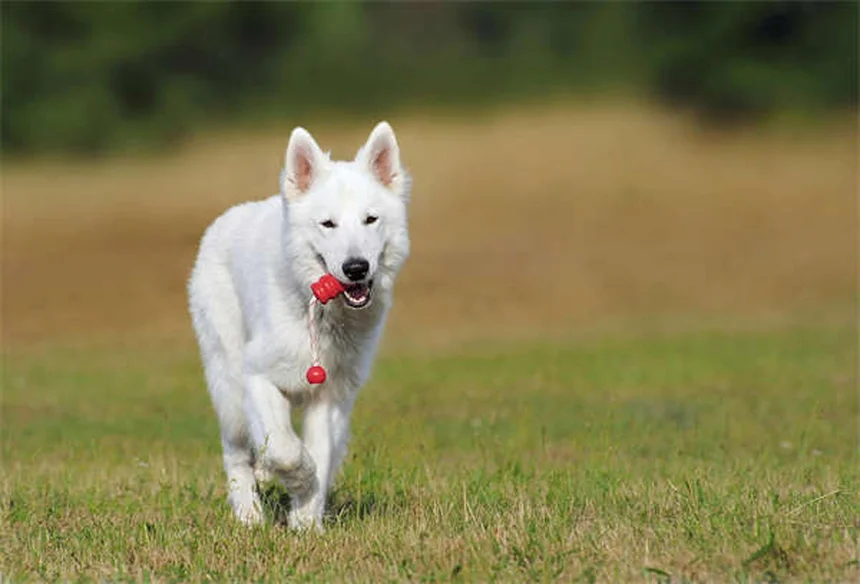 Photos provided by pixabay
The Immediate Dangers
Think regurgitation is just messy? Think again! When food goes down the wrong pipe (literally), it can lead to aspiration pneumonia - basically lung infection from food particles. Not fun. Plus, if your dog can't keep nutrients down, they'll start looking like those sad ASPCA commercials.
The Long-Term Risks
Chronic regurgitation is your dog's way of waving red flags. We're talking potential esophageal blockages from foreign objects (why do dogs eat socks?), tumors, or even weird birth defects where blood vessels strangle the esophagus like a too-tight necklace. Ever heard of megaesophagus? It's when the food tube becomes a lazy, floppy hose that can't be bothered to push food to the stomach.
What's Actually Causing This Mess?
The Usual Suspects: Physical Blockages
Imagine trying to drink a milkshake through a clogged straw. That's what happens with:
- Foreign objects: That tennis ball chunk Fido swallowed? Yeah, it's stuck.
- Tumors: Both benign and malignant growths can narrow the food highway.
- Strictures: Scar tissue from acid reflux or injuries creating esophageal speed bumps.
 Photos provided by pixabay
The Immediate Dangers
Sometimes the esophagus looks fine but works like a broken conveyor belt:
- Megaesophagus: The tube becomes a food parking lot instead of a thruway.
- Nerve disorders: Conditions like myasthenia gravis make muscles forget how to muscle.
- Toxins: Certain chemicals can turn the esophagus into a useless noodle.
Special Breeds Need Extra Attention
The Repeat Offenders
While any dog can develop regurgitation issues, some breeds drew the short genetic straw:
- German Shepherds and Shar Peis: Megaesophagus fan club members
- Pugs and Bulldogs: Their smooshed faces come with esophageal baggage
- Miniature Schnauzers: Basically walking regurgitation risks
How Vets Play Esophagus Detective
The Initial Investigation
Your vet will start with what we call the "CSI: Dog Edition" approach - lots of questions about the crime scene (your floor) and a full physical exam. They're trying to answer: "Is this regurgitation or just really lazy vomiting?"
 Photos provided by pixabay
The Immediate Dangers
Ever seen a dog get a barium swallow? It's like watching a live-action X-ray food show! Other diagnostic tools include:
- Endoscopes (tiny esophagus cameras)
- Blood tests for underlying conditions
- Special tests for nerve disorders
Fixing the Problem: More Than Just a Mop
Medical Interventions
Depending on the cause, treatment might involve:
- Endoscopic foreign body removal (fancy tweezers down the throat)
- Surgery for tumors or strictures
- Medications for conditions like myasthenia gravis
Home Care Hacks
For chronic cases, you might need to:
- Get a Bailey chair (think high chair for dogs)
- Experiment with food textures - meatballs or gruel?
- Use elevated feeding stations
Prevention: Because Nobody Likes Cleaning Up
For the Speed Eaters
If your dog inhales food like a vacuum cleaner:
- Try puzzle feeders or slow-feed bowls
- Add a large clean rock to their bowl (forces them to eat around it)
- Feed smaller meals more frequently
When to Panic (And When Not To)
Single incident? Probably fine. Regular regurgitation? Vet time. Remember - while the occasional food puddle might just mean your dog ate too fast, chronic issues can signal serious problems. When in doubt, check it out!
Here's a question for you: Why does my dog keep doing this if he seems fine otherwise? The answer is that dogs are masters at hiding discomfort. What looks like "no big deal" to us might actually be their version of screaming for help.
And another thought: Can't I just wait it out? Nope! Delaying treatment for conditions like megaesophagus can lead to irreversible damage. Early intervention is key to keeping your pup happy and healthy.
Beyond the Basics: Digging Deeper into Canine Regurgitation
The Emotional Toll on Your Pup
You might think regurgitation is just a physical issue, but let me tell you - it messes with your dog's head too. Imagine feeling hungry all the time because your body won't let you keep food down. That frustration leads to behavioral changes you wouldn't expect.
I've seen dogs develop food aggression because they're constantly worried about when their next successful meal will come. Others become withdrawn or anxious. And here's something most owners miss - some dogs actually start avoiding their food bowls because they associate eating with that uncomfortable regurgitation feeling. It's heartbreaking!
The Hidden Connection to Allergies
Here's something your vet might not mention right away - food allergies can sometimes trigger regurgitation episodes. Not the vomiting kind, but actual esophageal irritation that makes food come back up.
Common culprits include chicken, beef, and wheat - the very ingredients in most commercial dog foods. I once worked with a Labrador who regurgitated daily until we switched to a novel protein like kangaroo (yes, really!). Within two weeks, the problem disappeared completely. Makes you wonder how many dogs are suffering needlessly because we keep feeding them the same old kibble, doesn't it?
The Science Behind the Slime
Understanding Esophageal Mucus
That slimy coating you sometimes see on regurgitated food? It's actually your dog's body trying to protect itself. The esophagus produces mucus as a defense mechanism when it's irritated or damaged.
Think of it like when you get a cut and it weeps fluid - same concept. The scary part? Chronic mucus production can actually make regurgitation worse by creating a slippery surface that food can't properly move through. It's like trying to walk up a waterslide!
The pH Factor
Here's a cool science fact - your dog's esophagus prefers a neutral pH around 7. When stomach acid creeps up (hello, acid reflux!), it drops that pH and causes irritation. Some breeds are especially prone to this.
| Breed | pH Sensitivity | Common Solutions |
|---|---|---|
| Bulldogs | High | Elevated feeding, antacids |
| Dachshunds | Moderate | Smaller meals, thicker foods |
| Labradors | Low | Slow feeder bowls |
Real-Life Solutions That Actually Work
The Magic of Meatballs
For dogs with megaesophagus, texture matters more than you'd think. I always tell clients to think like an Italian grandmother - roll that kibble into meatballs!
The compact shape helps food move down the esophagus more efficiently. Some dogs do better with a gruel consistency - imagine oatmeal with blended kibble. You'll need to experiment to see what works for your pup. Pro tip: Add a bit of water to dry food and let it sit for 10 minutes before serving.
Gravity Is Your Friend
Ever notice how astronauts eat floating food in space? That's what happens in your dog's esophagus when they eat lying down. Keeping them upright for 10-15 minutes after meals makes a huge difference.
You don't need fancy equipment either - I've seen creative owners use laundry baskets propped at an angle! The key is finding what works for your living situation. One client even trained her Great Dane to sit with his front paws on the couch while eating. Whatever gets the job done!
When to Seek Specialized Help
The Specialist Route
If your regular vet seems stumped, don't hesitate to ask for a referral to an internal medicine specialist. These vets have advanced training in esophageal disorders and access to equipment your local clinic might not.
I'll never forget the case of a terrier mix who regurgitated for months before a specialist discovered a congenital defect that three previous vets had missed. Sometimes you need that extra level of expertise, just like you'd see a cardiologist for heart issues instead of your family doctor.
The Cost Factor
Let's talk money - because treatment can get expensive fast. Diagnostic tests alone can run $500-$2000 depending on what's needed. But here's the thing: Early investment often saves money long-term by preventing complications.
Many pet insurance plans cover these conditions if they're not pre-existing. And some veterinary schools offer discounted services through their teaching hospitals. Don't let cost deter you from getting help - there are options if you look for them!
The Human Element: Coping as a Pet Parent
Managing the Mess
Let's be real - cleaning up regurgitated food is nobody's idea of fun. I recommend keeping old towels handy and investing in a good enzyme cleaner. The smell can linger otherwise!
One clever client set up a "regurgitation station" in her mudroom with washable mats and cleaning supplies. Another uses disposable puppy pads during mealtimes. Find what works for your sanity - this is a marathon, not a sprint.
Your Mental Health Matters Too
Caring for a dog with chronic regurgitation is exhausting. I've had clients break down in tears from the constant worry and cleanup. You're not alone in feeling frustrated or overwhelmed.
Here's something to consider: Are you neglecting your own needs while caring for your dog? The truth is, you can't pour from an empty cup. Joining support groups (online or local) can make a world of difference. Other owners get it in ways your friends and family might not.
And another thought: Is it okay to feel resentful sometimes? Absolutely! Loving your dog doesn't mean you have to love every aspect of their care. Acknowledge those feelings without guilt - they're completely normal when dealing with chronic health issues.
E.g. :Dog Regurgitation | PetMD
FAQs
Q: What's the main difference between dog vomiting and regurgitation?
A: The biggest difference comes down to effort and origin. When your dog vomits, you'll see that whole dramatic heaving routine because it's coming from their stomach or small intestine. But regurgitation? That's like a magic trick where food suddenly appears from their esophagus - no warning, no effort. I always tell my clients: "If it looks like the food never even made it to the stomach, you're dealing with regurgitation." Another dead giveaway? Vomit often contains yellow bile (stomach juice), while regurgitated food looks suspiciously similar to what just went in - maybe slightly chewed with some slimy mucus mixed in.
Q: Why is chronic dog regurgitation dangerous?
A: Here's why I lose sleep over chronic regurgitation cases: First, there's the risk of aspiration pneumonia when food particles get inhaled into the lungs - we're talking serious infection territory. Then there's malnutrition; if your dog can't keep food down, they're basically starving no matter how much they eat. But the real scary stuff? Underlying causes like esophageal tumors, megaesophagus (where the esophagus becomes a floppy food parking lot), or even weird birth defects where blood vessels constrict the esophagus. The worst part? Dogs often seem totally fine between episodes, which makes owners delay vet visits.
Q: What breeds are most prone to regurgitation problems?
A: While any dog can develop regurgitation issues, some breeds won the genetic lottery in all the wrong ways. German Shepherds and Shar Peis are megaesophagus magnets, while flat-faced breeds like Pugs and Bulldogs often have esophageal issues thanks to their smooshed anatomy. Miniature Schnauzers and Wirehaired Fox Terriers also make frequent appearances in my clinic for regurgitation problems. But here's what many owners don't realize: even mixed breed dogs can develop these conditions, so never assume your mutt is immune!
Q: How will my vet diagnose the cause of my dog's regurgitation?
A: We start with what I call the "CSI: Canine Edition" - detailed questions about the regurgitation episodes and a thorough physical exam. Then comes the cool tech: X-rays (sometimes with barium contrast that makes the esophagus glow), endoscopic cameras to peek inside the food tube, and specialized blood tests for conditions like myasthenia gravis. The most fascinating part? Watching a dog do a barium swallow - it's like a live-action X-ray food show! We're looking for anything from foreign objects (why do dogs eat socks?) to tumors or that classic megaesophagus dilation.
Q: Can regurgitation in dogs be treated?
A: Absolutely! Treatment depends on the root cause, which is why diagnosis is so crucial. Foreign bodies? We can often remove them with endoscopic tools. Megaesophagus? We might prescribe special high chairs (Bailey chairs) to keep your dog upright after meals. For nerve disorders like myasthenia gravis, medications can work wonders. Here's my pro tip: early intervention is key - the longer you wait, the higher the risk of permanent damage. Even if it's "just" a fast eater, simple solutions like puzzle feeders or adding a large clean rock to their bowl can make a world of difference!