
Dog Sunscreen: The Ultimate Guide to Protecting Your Pup
Feb 05,2026
Do dogs need sunscreen? The answer is absolutely yes! Just like humans, our furry friends can suffer from painful sunburns and even develop skin cancer from UV exposure. I learned this the hard way when my white Boxer came home from the park looking like a cooked lobster last summer. Veterinarians agree that sunscreen should be part of every dog's summer safety routine, especially for light-colored or short-haired breeds. In this guide, we'll walk you through everything you need to know about protecting your pup - from choosing the right dog sunscreen to application tips that actually work. Trust me, after seeing how miserable sunburn can make dogs, you'll want to keep reading!
E.g. :5 Warning Signs in Your Pet's Urine You Should Never Ignore
- 1、Wait - Dogs Can Actually Get Sunburned?
- 2、Which Dogs Need Sunscreen the Most?
- 3、Choosing the Right Dog Sunscreen
- 4、How to Apply Sunscreen Like a Pro
- 5、Beyond Sunscreen: Extra Protection Ideas
- 6、Sun Safety Schedule for Dogs
- 7、What About Heatstroke Risks?
- 8、Final Thoughts on Sun Safety
- 9、The Surprising Connection Between Dog Sunburns and Human Sun Protection
- 10、Creative Sun Protection Solutions Beyond the Basics
- 11、The Psychology Behind Dogs and Sun Protection
- 12、Seasonal Considerations for Year-Round Protection
- 13、Community Aspects of Canine Sun Safety
- 14、FAQs
Wait - Dogs Can Actually Get Sunburned?
You know how we slather on sunscreen before hitting the beach? Well guess what - our furry buddies need sun protection too! I was shocked when my vet told me this last summer after my white Boxer came back from the dog park looking like a lobster.
The Science Behind Canine Sunburns
Dogs have skin just like us, and that means UV rays can damage their cells too. Areas with thin fur coverage - noses, ears, bellies - are especially vulnerable. My vet explained that sunburned dog skin gets red, painful, and can even peel just like human sunburns.
Here's something wild - did you know dogs can develop skin cancer from too much sun? Dr. Goldstein from Animal Medical Center told me about four types:
| Cancer Type | Risk Level |
|---|---|
| Squamous cell carcinoma | High |
| Malignant melanomas | Very High |
| Hemangiomas | Medium |
| Hemangiosarcomas | High |
Which Dogs Need Sunscreen the Most?
Light-Colored and Short-Haired Breeds
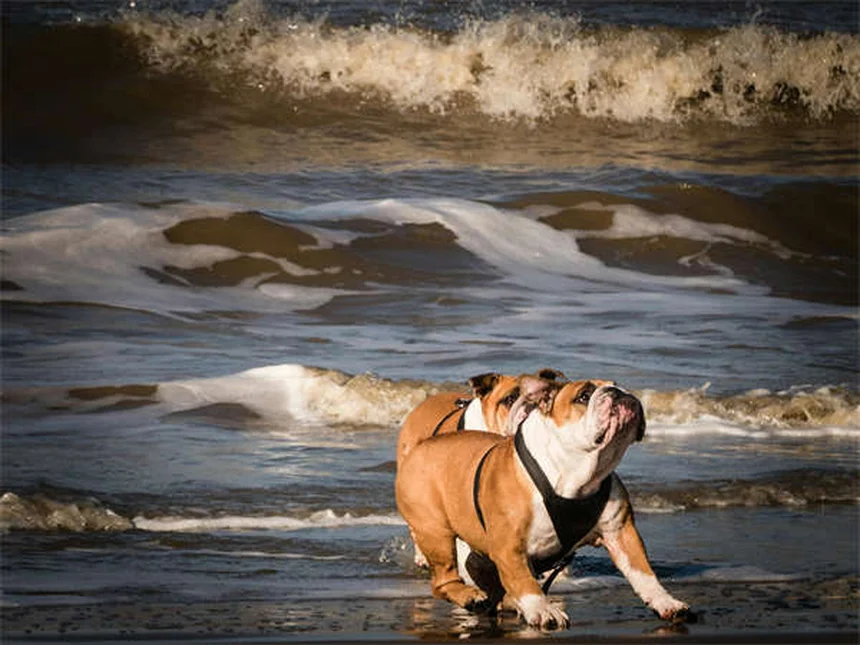
If you've got a white Bulldog or Dalmatian, listen up! These pups are basically walking sun magnets. Their light skin and short fur offer zero protection. My neighbor's Pit Bull got such a bad burn last July that he needed vet treatment.
But here's the thing - all dogs can burn, even dark-coated ones. That's why I now keep dog sunscreen next to my own SPF 50.
 Photos provided by pixabay
Special Cases That Need Extra Care
Dogs with medical conditions like pannus (an eye disease) or hair loss from allergies need superhero-level sun protection. I met a Greyhound at the park who wears UV-blocking goggles - talk about stylish safety!
Choosing the Right Dog Sunscreen
Pet-Specific Formulas Are Best
You wouldn't drink shampoo, right? Then why would we put human sunscreen on dogs when they lick themselves constantly? Pet-safe sunscreens are specially formulated to be non-toxic if ingested.
When my curious Labrador licked his new sunscreen, I panicked - but then remembered I'd bought the vet-recommended kind. Crisis averted!
What If You Can't Find Dog Sunscreen?
In a pinch, baby sunscreen works - but you've got to be super careful. No zinc oxide! That ingredient can cause serious blood problems if swallowed. Look for fragrance-free, titanium dioxide formulas instead.
Pro tip: Keep the receipt! I once bought the wrong kind and had to return three tubes before finding the perfect one.
How to Apply Sunscreen Like a Pro
 Photos provided by pixabay
Special Cases That Need Extra Care
Before going full-coverage, test a small area. My friend's Poodle had an allergic reaction that looked worse than the sunburn would've been! Wait 24 hours to check for redness or itching.
Here's my routine: Ears first, then nose, then belly. Avoid the eyes completely - nobody wants sunscreen stinging their peepers.
Timing Is Everything
Apply 15 minutes before going outside. Reapply every 2 hours, or immediately after swimming. I set phone reminders because let's be honest - who actually remembers?
Watch for licking! My dog Charlie thinks sunscreen is some kind of delicious sauce. Distract them with treats during application.
Beyond Sunscreen: Extra Protection Ideas
UV Protective Clothing
Doggy rash guards aren't just cute - they work! The UPF 50+ shirt I got for beach days covers Charlie's vulnerable belly perfectly. Bonus: less sunscreen needed!
Hats with neck flaps exist too. My cousin's Bulldog rocks one like he's preparing for safari.
 Photos provided by pixabay
Special Cases That Need Extra Care
Portable pop-up tents have saved many a dog park trip. I keep one in my car along with a collapsible water bowl. Hydration + shade = happy pup.
At home, I positioned Charlie's favorite napping spot under our maple tree. Natural canopy for the win!
Sun Safety Schedule for Dogs
Peak Hours to Avoid
Between 10 AM and 4 PM, the sun is basically a laser beam. I schedule walks for early morning or evening. Midday potty breaks are quick - in and out like a ninja!
But if you must be out...
The Complete Protection Routine
1. Apply pet-safe sunscreen
2. Put on UV-protective clothing
3. Bring portable shade
4. Pack extra water
5. Watch for overheating signs
I laminated this checklist and keep it by the door. Overkill? Maybe. But Charlie hasn't had a sunburn since!
What About Heatstroke Risks?
Know the Warning Signs
Excessive panting, bright red gums, stumbling - these mean get to shade immediately! I carry a cooling vest in summer just in case.
Remember: pavement gets scorching hot. If it's too hot for your bare foot, it's too hot for paws. I test surfaces with my hand before walks.
Emergency Cooling Techniques
Wet towels, not ice water! Sudden temperature changes can shock their system. I keep electrolyte supplements in my first aid kit too.
Last summer, I saw a tourist pouring bottled water over their overheating Golden Retriever. Smart move - I started doing the same!
Final Thoughts on Sun Safety
Make It a Habit
Sun protection isn't just for beach days. I apply sunscreen even for quick neighborhood walks. Consistency is key!
Does this seem like a lot of work? Maybe. But seeing Charlie comfortable and healthy all summer makes every step worth it.
When In Doubt, Ask Your Vet
Every dog is different. My vet helped create a personalized sun protection plan based on Charlie's breed, coat, and habits. Best consultation ever!
Now if you'll excuse me, I need to go reapply Charlie's sunscreen. That Florida sun waits for no dog!
The Surprising Connection Between Dog Sunburns and Human Sun Protection
What We Can Learn From Our Pets' Sun Sensitivity
Isn't it fascinating how our dogs' sun protection needs mirror our own? Just like fair-skinned humans burn faster, light-colored dogs with short coats are walking UV magnets. My golden retriever mix only needs sunscreen on his pink nose, while my neighbor's white bulldog requires full-body coverage - exactly how my pale cousin needs SPF 50 while my olive-skinned sister can get away with SPF 15.
The similarities don't stop there. Both species develop similar sun damage symptoms - redness, peeling skin, and in severe cases, skin cancer. Veterinary dermatologists actually use many of the same treatment protocols for canine sunburns that human dermatologists use for people. This crossover makes me wonder - if we pay closer attention to our pets' sun reactions, could we better understand our own skin's needs?
Historical Perspective on Pet Sun Protection
Believe it or not, dog sunscreen wasn't always a thing. Back in my grandma's day, people just assumed animals were naturally protected by their fur. We've come a long way in pet care science! The first commercial dog sunscreen only hit shelves in the 1990s, decades after human sunscreen became mainstream.
Now we know better. Modern research shows that a dog's fur provides about the same protection as a thin cotton t-shirt - maybe SPF 5 at best. That's why today's responsible pet owners carry sunscreen sticks specifically designed for canine noses. I keep mine right next to my lip balm with SPF - because if my dog's nose needs protection, so does mine!
Creative Sun Protection Solutions Beyond the Basics
DIY Shade Solutions for Backyard Fun
Who says sun protection has to be expensive? Last summer, I rigged up a brilliant shade system using an old bedsheet and some garden stakes. Total cost: $0. My dog Buddy loved his makeshift canopy so much he'd nap there even on cloudy days. Pro tip: Light-colored fabrics reflect heat better than dark ones - just like how white cars stay cooler in parking lots.
For water-loving dogs, I discovered floating shade platforms at the lake. Picture a mini dock with an umbrella attachment - pure genius! Watching dogs paddle out to their personal shady retreat never gets old. These cost about $50 online, but you could probably MacGyver something similar with pool noodles and a beach umbrella.
Edible Sun Protection? The Future of Canine SPF
Wouldn't it be amazing if dogs could eat their sunscreen instead of wearing it? Some forward-thinking pet companies are actually working on this! While nothing's FDA-approved yet, early research shows promise with supplements containing antioxidants that may help protect skin from within.
I recently tried a salmon oil supplement for Buddy that claims sun-protective benefits. Did it work? Hard to say, but his coat has never looked shinier! Here's a quick comparison of traditional vs. emerging protection methods:
| Protection Method | Pros | Cons |
|---|---|---|
| Topical Sunscreen | Immediate protection, proven effectiveness | Needs frequent reapplication, some dogs dislike application |
| Protective Clothing | No chemicals, long-lasting coverage | Some dogs resist wearing clothes, can cause overheating |
| Nutritional Supplements | No application needed, additional health benefits | Not yet proven, takes weeks to potentially work |
The Psychology Behind Dogs and Sun Protection
Why Some Dogs Resist Sun Safety Measures
Ever tried putting sunscreen on a dog who thinks it's playtime? You're not alone! Many pups associate any hands-on care with either grooming or play. My sister's terrier mix does this hilarious "alligator death roll" every time she brings out the sunscreen bottle.
The key is positive reinforcement. I turned sunscreen time into treat time - one dab on the nose equals one tiny training treat. After two weeks, Buddy started presenting his nose when he saw the sunscreen tube! Consistency and patience pay off, just like with any other training.
How Our Own Sun Habits Influence Our Pets
Here's something to think about - do you rush through applying your own sunscreen? Chances are, you'll rush through your dog's application too. I noticed when I started taking my own sun protection more seriously, I became more thorough with Buddy's routine as well.
Dogs pick up on our energy. If we treat sun protection as a chore, they'll resist it. But if we make it part of our fun outdoor prep - like packing snacks and toys - they'll accept it more readily. Now our pre-walk sunscreen ritual feels like just another bonding moment.
Seasonal Considerations for Year-Round Protection
Winter Sun Dangers We Often Overlook
Wait - dogs need sun protection in winter too? Absolutely! Snow reflects up to 80% of UV rays, nearly doubling exposure. I learned this the hard way when Buddy got a mild sunburn during a January snowshoeing trip. Now we use a pet-safe zinc oxide stick on his nose whenever we play in the snow.
High-altitude activities pose special risks too. For every 1,000 feet of elevation, UV intensity increases about 5%. That mountain hike you planned? Your dog's nose might need more protection than yours! I keep travel-sized sunscreen in all our gear bags, no matter the season.
Transitioning Between Seasons Smoothly
Spring and fall bring their own challenges - variable weather means we often forget about sun protection when temperatures are mild. But UV rays don't care about comfort! I created a simple reminder system using weather app alerts for UV index above 3.
As seasons change, so does my dog's coat thickness. That means adjusting our protection strategy monthly. Less fur in summer equals more sunscreen needed, while winter's thicker coat might only require nose and ear coverage. It's all about staying observant and adaptable.
Community Aspects of Canine Sun Safety
Starting a Neighborhood Sun Protection Initiative
After seeing too many pink-nosed pups at our local dog park, I organized a "Sun Safety Saturday" event. We set up a booth with free samples of pet sunscreen and demonstrated proper application techniques. The turnout amazed me - over 30 dog owners showed up!
Now our park has a sunscreen station near the entrance, stocked with donated supplies. It's become a community effort, with different owners taking turns restocking it. Sometimes all it takes is one person to start a movement! Next project: convincing the city to install more permanent shade structures.
Social Media's Role in Spreading Awareness
#DogSunSafety might not be trending yet, but cute photos of pups in sun hats certainly are! I've found that pairing important information with adorable visuals gets the message across beautifully. My post showing Buddy in his UV shirt got shared 200+ times - and several friends told me they bought similar gear for their dogs.
Platforms like Instagram and TikTok offer perfect opportunities to demonstrate sun protection techniques in engaging ways. Quick videos showing "before and after" application or funny clips of dogs enjoying shade structures can educate while entertaining. After all, who can resist a golden retriever in sunglasses?
E.g. :Can Dogs Get Sunburn and What Are the Signs? | Bond Vet
FAQs
Q: Can all dog breeds get sunburned?
A: While all dogs can technically get sunburned, certain breeds are at much higher risk. Light-colored dogs with short hair like Bull Terriers, Dalmatians, and Boxers are particularly vulnerable because their skin has less natural protection. My neighbor's white Pit Bull got such a severe burn last summer that it required veterinary treatment. However, even dark-coated dogs can burn on sensitive areas like their nose, ear tips, and belly where fur is thin. That's why I now keep dog sunscreen next to my own SPF 50 - better safe than sorry when it comes to our furry family members!
Q: What happens if a dog gets sunburned?
A: Sunburned dogs experience similar symptoms to humans - red, painful skin that may peel or blister. Dr. Goldstein from Animal Medical Center explained to me that repeated sunburns can lead to serious conditions like squamous cell carcinoma and malignant melanomas. When my Boxer got burned, he kept scratching at his ears until they bled, and the skin became scaly. It took weeks of special ointments and keeping him indoors during peak sun hours for his skin to heal properly. That's why prevention is so much better than treatment when it comes to canine sun protection!
Q: How often should I reapply dog sunscreen?
A: You should reapply pet-safe sunscreen every 2 hours, or immediately after swimming or excessive licking. I set phone reminders because, let's be honest, who actually remembers? When we're at the beach, I bring a travel-sized bottle in my doggie bag. Pro tip: Apply sunscreen 15 minutes before going outside to let it absorb properly. Watch for licking though - my Labrador thinks sunscreen is some kind of delicious sauce! I distract him with treats during application to prevent ingestion.
Q: Can I use human sunscreen on my dog?
A: While baby sunscreen can work in a pinch, pet-specific formulas are always best. Human sunscreens often contain zinc oxide, which is toxic if licked off. When I couldn't find dog sunscreen last minute, my vet recommended a fragrance-free, titanium dioxide formula made for sensitive skin. Always read labels carefully - I once had to return three tubes before finding a safe option. Remember: What's safe for humans isn't always safe for our four-legged friends!
Q: What are signs of heatstroke in dogs?
A: Watch for excessive panting, bright red gums, stumbling, or collapse - these mean get to shade immediately! I always carry a cooling vest and electrolyte supplements in summer. Remember, pavement gets scorching hot - if it's too hot for your bare foot, it's too hot for paws. Last summer I saw a tourist pouring bottled water over their overheating Golden Retriever, which was actually a smart move. Prevention is key though: schedule walks for cooler times of day and always provide plenty of shade and water.