
5 Common Ways You're Accidentally Untraining Your Dog (And How to Fix It)
Mar 26,2026
Are you accidentally undoing your dog's training? The answer is: yes, you probably are! Most dog owners don't realize that everyday interactions can actually reinforce bad behaviors in their pets. I've seen it happen countless times - well-meaning owners spend hundreds on training classes, only to unknowingly sabotage their own efforts through simple daily habits.The truth is, dogs learn through consistent reinforcement, and sometimes we're reinforcing the wrong things without even knowing it. Whether it's giving attention to a jumping dog or occasionally letting them pull on the leash, these small moments add up to big training setbacks. But don't worry - in this article, we'll show you exactly how to spot these common mistakes and fix them for good.You might be thinking But I only give in sometimes! Here's the thing: to your dog, sometimes means always. Their learning process doesn't understand exceptions the way we do. The good news? With a few simple adjustments to your daily routine, you can get back on track to having that perfectly behaved pup you've been working so hard for!
E.g. :Aluminum Hydroxide for Pets: What Every Pet Owner Should Know
- 1、Oops! You Might Be Undoing Your Dog's Training Without Realizing It
- 2、The Jumping Bean Problem
- 3、Leash Pulling: The Slow Motion Train Wreck
- 4、The Begging Olympics
- 5、Wait, Does My Tone of Voice Matter?
- 6、Training Equipment That Actually Helps
- 7、Making Training Part of Daily Life
- 8、The Hidden Power of Routine in Dog Training
- 9、The Social Butterfly Effect
- 10、The Emotional Rollercoaster of Training
- 11、The Treat Dilemma
- 12、The Environment Factor
- 13、The Age Factor
- 14、FAQs
Oops! You Might Be Undoing Your Dog's Training Without Realizing It
Wait... Are You Accidentally Rewarding Bad Behavior?
Picture this: you just spent $200 on dog training classes, practiced every night for weeks, and now your pup sits like a champ. But here's the kicker - you might be undoing all that hard work without even knowing it! Crazy, right?
Let me break it down for you. When your dog jumps up and you push him off while saying "no," guess what? In dog language, any attention is good attention. That "no" plus the physical contact? That's like giving him a high-five for jumping! I've seen this happen so many times with my neighbor's golden retriever - now that dog could compete in the canine high jump Olympics.
The Sneaky Ways We Untrain Our Dogs
Here's a quick comparison of what we think we're doing versus what our dogs actually experience:
| What You Think You're Doing | What Your Dog Actually Learns |
|---|---|
| Pushing them off when they jump | "Jumping gets me attention and pets!" |
| Giving in to begging occasionally | "If I stare long enough, I get human food!" |
| Letting them pull sometimes on walks | "Tight leash means we go where I want!" |
The Jumping Bean Problem
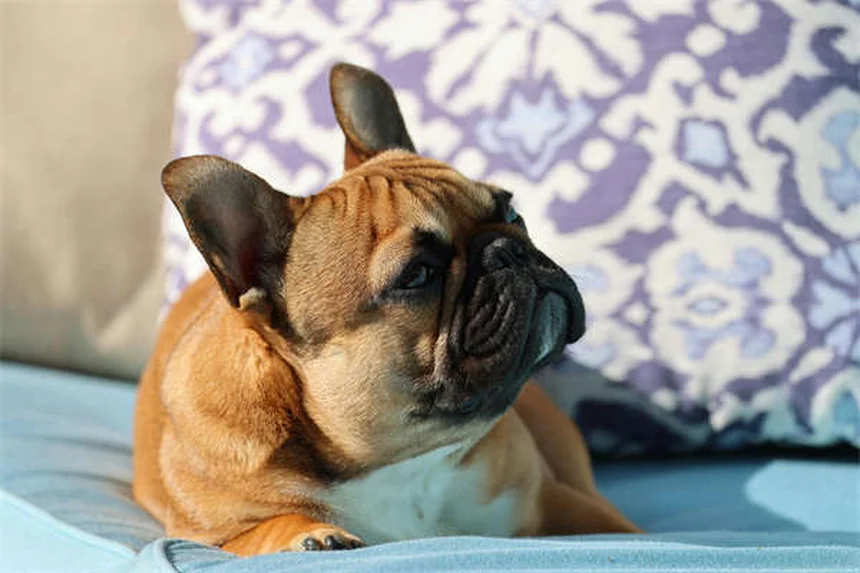 Photos provided by pixabay
Why Dogs Turn Into Spring-Loaded Greeters
Ever notice how your dog transforms into a furry pogo stick when guests arrive? There's actually science behind this! Dogs jump because it's the fastest way to get to face level for greetings. In the wild, face-licking is how puppies get food from adults - so that slobbery jump? It's hardwired into their DNA.
Here's what worked for my cousin's boxer mix: become a human statue. When paws leave the ground, immediately cross your arms and turn into stone. No eye contact, no talking, nothing. The second all four paws hit the floor? Party time! Pets, praise, the whole nine yards. It took three weeks, but now that dog sits like a gentleman for greetings.
The Arm Cross Technique That Actually Works
Want to speed up the process? Try this pro move:
- Cross your arms high on your chest when you see your dog getting ready to jump
- Turn your whole body sideways
- Wait for that magical moment when paws touch floor
- Reward like you just won the lottery
Remember - consistency is key. If you let them jump "just this once" when you're wearing sweatpants, you're back to square one. Trust me, I learned this the hard way with my labrador!
Leash Pulling: The Slow Motion Train Wreck
How Good Walks Go Bad One Step at a Time
You know that moment when you're half-asleep on your morning walk, scrolling through Instagram, and suddenly realize your arm feels three inches longer? That's when the untraining happens. Every time you let your dog drag you to that fire hydrant, you're basically saying "Yes! Pulling works!"
Here's a fun fact: dogs build muscle memory for pulling just like athletes train for sports. Each time they feel tension on the leash and still move forward, their brain goes "This is how walking works!" Before you know it, you've got a 70-pound furry sled dog.
 Photos provided by pixabay
Why Dogs Turn Into Spring-Loaded Greeters
Try this simple trick next walk:
- When the leash gets tight, stop dead in your tracks
- Wait until your dog either looks back or the leash loosens
- Then continue walking
- Repeat approximately 8 million times (just kidding... kind of)
Bonus tip: carry super smelly treats in your pocket. When your dog walks nicely for a few steps, surprise them with a reward. My current record is 15 steps without pulling - we're getting there!
The Begging Olympics
How One French Fry Creates a Food Zombie
Ever wonder why your dog suddenly becomes the world's most pathetic starving creature the second you open the fridge? Here's the cold hard truth: you trained them to do that. That one time you dropped a piece of chicken? That was their "Aha!" moment.
Dogs are basically furry little scientists running constant experiments. Their thought process goes like this: "Let's see... staring got me food Tuesday, whining worked Thursday... if I combine both with head tilts, maybe I'll get the whole sandwich!"
The Distraction Technique That Actually Works
Next time those puppy eyes start working overtime, try this:
- Before you eat, give your dog a special chew toy or food puzzle
- Feed them their own meal at your mealtime
- If they beg, completely ignore them (yes, even the dramatic sighs)
- Consistency is everything - no "just this once" exceptions
Pro tip: the West Paw Zogoflex Tux is worth every penny. Stuff it with peanut butter and freeze it - that'll keep them busy longer than it takes you to eat a burger!
Wait, Does My Tone of Voice Matter?
 Photos provided by pixabay
Why Dogs Turn Into Spring-Loaded Greeters
Here's something most people don't realize - your tone of voice can make or break your training efforts. When you say "Noooo stoooop" in that high-pitched, frustrated voice? Your dog hears "Wow, human is really engaged with me right now!"
Instead, try using your "boring robot" voice for corrections and your "party host" voice for praise. The difference is night and day. My aunt's poodle went from jumping maniac to polite greeter just by changing how she said "off" versus "good boy."
The Magic of Strategic Ignoring
Sometimes the most powerful tool is... nothing at all. No eye contact, no words, no reaction. It's like your dog suddenly became invisible. This works because:
- Dogs crave attention more than treats sometimes
- Negative attention still counts as attention
- Complete lack of response is confusing (in a good way)
Try it next time your dog does something annoying - you'll be amazed how quickly they try something else when the first tactic gets zero response.
Training Equipment That Actually Helps
Gadgets That Support Your Efforts
While no tool replaces consistent training, some products can make the process easier:
| Product | Best For | Why It Works |
|---|---|---|
| Front-clip harness | Pulling on walks | Turns dog toward you when they pull |
| Treat pouch | All training | Makes rewards instantly available |
| Interactive toys | Begging | Keeps them busy during your meals |
When to Call in the Professionals
If you've been consistent for weeks with no progress, it might be time to bring in a certified trainer. Look for these red flags:
- Your dog becomes aggressive when corrected
- The behavior is getting worse despite your efforts
- You're feeling frustrated or overwhelmed
Remember - there's no shame in asking for help. Even Olympic athletes have coaches!
Making Training Part of Daily Life
Little Moments Add Up
Here's the secret the pros know: five minutes of training spread throughout the day works better than one long session. Try these easy habits:
- Practice "sit" before meals
- Do a quick "stay" when opening doors
- Reward calm behavior randomly throughout the day
Before you know it, good manners will become second nature to your pup. My friend's rescue dog went from wild child to model citizen just by doing mini-sessions during commercial breaks!
The Power of Positive Reinforcement
Why does positive reinforcement work so well? Simple - dogs repeat what gets them good stuff. Think of it like this:
- Good behavior = paycheck
- Bad behavior = no paycheck
- Consistency = direct deposit
The more reliable you are with rewards, the faster your dog learns. It's like building the best resume ever for being an awesome pet!
The Hidden Power of Routine in Dog Training
Why Dogs Thrive on Predictability
You know how you feel lost when your morning coffee shop changes its layout? Dogs experience that same confusion when our routines are all over the place! Consistency isn't just helpful for training - it's oxygen for your dog's brain.
Here's something fascinating I learned from a canine behaviorist: dogs tell time through routines better than most college students with planners. That 5pm walk? They know it's coming because their internal clock syncs with your habits. When we randomly skip or change things up, it's like throwing their whole world off balance.
Creating a Dog-Friendly Schedule That Works
Want to make training stick? Try building these simple routines:
- Morning ritual: Potty → Breakfast → Short training session → Walk
- Evening wind-down: Dinner → Puzzle toy → Calm petting session
- Bedtime routine: Final potty → "Place" command on bed → Lights out
My sister's terrier mix went from anxious wreck to zen master just by implementing predictable meal times alone. Who knew?
The Social Butterfly Effect
How Other People Undo Your Training
Ever trained your dog perfectly only to have visitors ruin everything in five minutes? Welcome to every dog owner's nightmare. Here's the brutal truth: your mother-in-law cooing "Oh it's okay!" when your dog jumps is like handing them a training undo button.
Here's a funny story - my buddy trained his lab not to beg... until his poker night friends started "accidentally" dropping chips. Now that dog sits at the table like he's got a full hand!
Setting Up Guest Rules That Stick
Try these pro tips for keeping visitors from wrecking your progress:
- Post funny but firm signs ("Please don't feed the furry vacuum")
- Keep treats by the door for guests to reward good behavior
- Brief visitors on your current training goals
- Have a "time out" space ready if things get too exciting
Remember - it's your house, your rules. Even for Grandma!
The Emotional Rollercoaster of Training
Why Your Mood Affects Your Dog's Learning
Did you know dogs can smell stress hormones? When you're frustrated during training sessions, your pup isn't just sensing your mood - they're literally breathing in your anxiety. Talk about pressure!
Here's a wild fact: studies show dogs perform better for happy, relaxed handlers. That time you tried training after a bad work day? Your dog probably thought you two were speaking different languages.
Creating the Right Mindset for Success
Before any training session, try this quick mental reset:
- Take three deep breaths (your dog will probably join in!)
- Think of one thing you love about your dog
- Keep sessions short and end on a positive note
- Laugh when things go wrong - it's just dog training, not brain surgery
My golden retriever and I have our best breakthroughs when I stop taking things so seriously. Last week we turned a failed "stay" into a hilarious game of "chase the treat"!
The Treat Dilemma
Are You Over-Rewarding Your Dog?
Here's a question that might surprise you: Could you be giving too many treats? While positive reinforcement is key, there's such a thing as treat overload. When every little action gets rewarded, your dog might start thinking they're running the show!
Think of it like this - if your boss praised you for breathing, you'd stop taking compliments seriously too. The same goes for dogs. I learned this the hard way when my beagle started offering random tricks without being asked, expecting payment every time!
Finding the Perfect Reward Balance
Try this reward system that actually works long-term:
| Behavior | New Skill Reward | Maintained Skill Reward |
|---|---|---|
| Sit | High-value treat + praise | Random praise or petting |
| Stay | Multiple treats during hold | One treat after completion |
| Come when called | Party-level celebration | Happy voice + occasional treat |
The goal? Transition from constant treats to random reinforcement. It's like playing slots - the unpredictability keeps them hooked!
The Environment Factor
How Your Home Setup Affects Training
Ever wonder why your dog behaves perfectly in the living room but turns into a tornado in the kitchen? Environment is everything in dog training. That pile of shoes by the door? That's basically a chew toy buffet to your pup!
Here's an eye-opener: dogs don't generalize well. Just because they "sit" perfectly in the training area doesn't mean they'll do it at the park. You've got to practice everywhere - it's like teaching a kid math, then expecting them to suddenly understand chemistry!
Setting Up Training Zones in Your Home
Try creating these specific areas to accelerate learning:
- Zen Zone: A quiet corner with bed for calm time
- Play Arena: Open space for active training
- Challenge Area: High-distraction spots to test skills
- No-Go Zones: Gated areas to prevent bad habits
My apartment might look like a doggy obstacle course, but hey - it works! Just don't trip over the baby gates.
The Age Factor
How Puppies and Seniors Learn Differently
Would you teach calculus to a kindergartener? Of course not! So why do we expect puppies to have adult-level self-control? Age dramatically affects learning ability, and recognizing this can save you tons of frustration.
Here's a fun comparison: puppy brains are like sponges (that occasionally chew the sponge), while senior dogs are more like wise professors who need extra time to recall information. My neighbor's 12-year-old lab still remembers all his commands... he just takes scenic routes to get there!
Tailoring Training to Life Stages
Adjust your expectations with these guidelines:
- Puppies (2-6 months): 5-minute sessions, focus on basics
- Adolescents (6-18 months): More challenging tasks, patience for rebellion phase
- Adults (1-7 years): Can handle complex training
- Seniors (7+ years): Shorter sessions, focus on mental stimulation
Remember - every dog is unique. My aunt's border collie was doing advanced tricks at 4 months, while my buddy's bulldog puppy is still mastering "sit" at 6 months. And that's okay!
E.g. :3 Dog Behaviors You Can Accidentally “Untrain” | PetMD
FAQs
Q: Why does my dog keep jumping even though I tell him no?
A: Here's the surprising truth - when you say "no" to your jumping dog while pushing him off, you're actually rewarding the behavior with attention! Dogs don't understand "no" the way we do. To them, any interaction - even negative - reinforces the jumping. What worked for my neighbor's golden retriever was becoming completely unresponsive when he jumped (no eye contact, no talking, turning away), then rewarding heavily when all four paws were on the floor. It took consistency, but now he greets people politely!
Q: How did my dog learn to beg if I only give food occasionally?
A: Dogs are masters of pattern recognition! That "occasional" treat you give creates what we call variable reinforcement - the most powerful type for maintaining behaviors. Think of it like a slot machine - sometimes you win, sometimes you don't, but you keep trying because the payoff might come. The solution? Complete consistency. No food from your plate ever, and redirect your dog to their own toys or treats during your mealtimes. The West Paw Zogoflex Tux toy mentioned in the article is perfect for this!
Q: Why does my dog pull more on walks after training class?
A: This is a classic case of muscle memory combined with inconsistent reinforcement. When you occasionally let your dog pull (like when you're in a hurry), you're teaching them that pulling sometimes works. Dogs generalize this to "pulling might work anytime!" The stop-and-go method mentioned in the article is gold - stopping completely when the leash gets tight teaches your dog that pulling no longer equals forward motion. Pro tip: carry extra-smelly treats to reward those moments when the leash is loose!
Q: Does my tone of voice really affect my dog's training?
A: Absolutely! Dogs are incredibly attuned to our vocal tones. That frustrated "noooo" in a high pitch? To your dog, that sounds like engagement and attention. What works better is using a neutral, boring tone for corrections and an excited, happy tone for praise. This clear distinction helps your dog understand exactly what you want. My aunt saw dramatic improvements with her poodle just by changing how she delivered corrections versus praise!
Q: How long until I see results from fixing these training mistakes?
A: The timeline varies, but most dogs show improvement within 2-3 weeks of consistent correction. Remember - your dog has been practicing these "bad" behaviors for a while, so it takes time to build new habits. The key is absolute consistency from everyone in the household. No "just this once" exceptions! I recommend keeping a simple training journal to track progress - you'll be amazed how those small daily improvements add up over time.