
Why Do Dogs Eat Grass? 5 Surprising Reasons Explained
Dec 01,2025
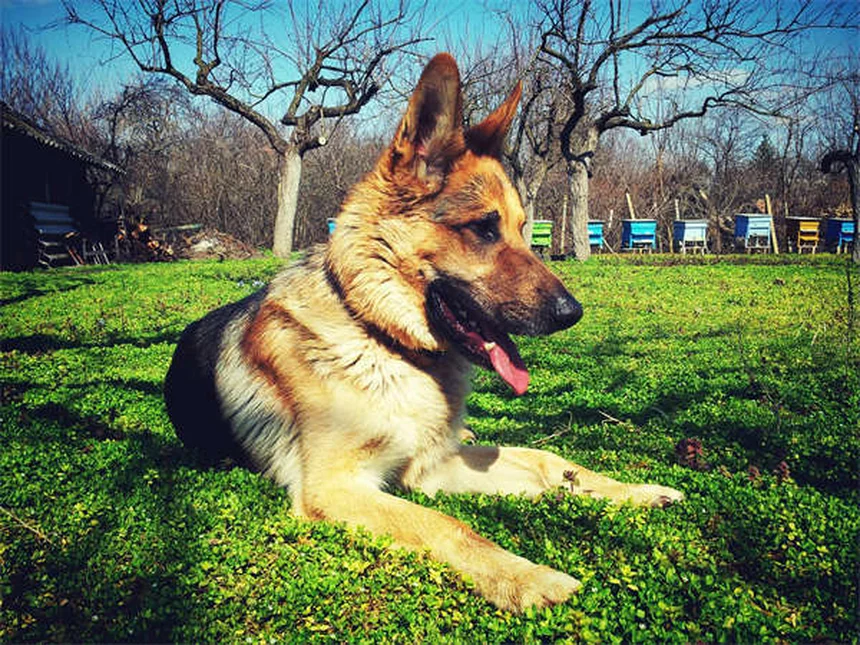
Why do dogs eat grass? The answer is: It's complicated! While many pet owners assume their pups eat grass to make themselves vomit, research shows this only happens about 25% of the time. The truth is, your dog might be munching on your lawn for several different reasons - from simple curiosity to seeking extra fiber in their diet.As a dog owner myself, I've spent countless hours researching this quirky behavior. What I've discovered might surprise you. Some dogs eat grass because they're bored, others because they've learned it gets your attention, and a few might actually need more plant fiber. The key is understanding your individual dog's habits and knowing when it's time to worry.In this article, we'll dig into the science behind grass-eating dogs, separate fact from fiction, and give you practical tips to manage this behavior. Whether your pup is an occasional grazer or a full-on lawn connoisseur, you'll walk away with a clearer picture of what's really going on when your dog treats your yard like a salad bar!
E.g. :7 Cat Tail Positions Explained: Decode Your Cat's Secret Language
- 1、The Mystery Behind Grass-Eating Dogs
- 2、Popular Theories About Grass Consumption
- 3、Surprising Scientific Findings
- 4、Potential Dangers of Grass Consumption
- 5、Smart Strategies for Grass-Loving Dogs
- 6、The Bottom Line on Canine Grazing
- 7、The Evolutionary Perspective on Grass-Eating
- 8、The Psychological Factors
- 9、The Taste Factor
- 10、The Social Learning Aspect
- 11、The Seasonal Patterns
- 12、FAQs
The Mystery Behind Grass-Eating Dogs
We've All Seen It Happen
Picture this: You're enjoying a peaceful walk with your pup when suddenly - chomp! - your dog grabs a mouthful of grass like it's the tastiest treat in the world. Sound familiar? Nearly 80% of dog owners report seeing their pets eat grass, according to veterinary studies.
Now here's the million-dollar question: Why do our furry friends treat lawns like salad bars? Is it an upset stomach? A nutritional deficiency? Or just canine curiosity? Let's dig into this grassy mystery together.
Popular Theories About Grass Consumption
The Upset Stomach Theory
Many pet parents swear their dogs eat grass to make themselves vomit. But here's the funny thing - research shows only about 25% of dogs actually throw up after grazing. That's like saying all humans eat ice cream when they're sad - sure, some do, but it's not a universal truth!
In one eye-opening study, veterinarians tracked 1,500 dogs and found:
| Behavior | Percentage of Dogs |
|---|---|
| Regularly eat grass | 79% |
| Vomit after eating grass | 22% |
| Show illness signs before grazing | 9% |
 Photos provided by pixabay
The Fiber Supplement Theory
Remember that time your dog refused his kibble but went crazy for your salad? Some scientists believe dogs instinctively seek out plant material when they need more fiber. A fascinating case involved a Miniature Poodle who ate grass daily for seven years - until his owners switched to a high-fiber diet. Problem solved!
But here's the catch: Dogs can't actually digest grass well. Their digestive systems are designed for meat, though they've adapted to handle some carbs from hanging out with us humans for thousands of years.
Surprising Scientific Findings
It Might Just Be Normal Behavior
Think about how often you snack when you're bored. Turns out, dogs might graze for similar reasons! A 2007 study discovered two key patterns:
1. Dogs ate less grass after meals (like how we're less likely to raid the fridge after dinner)
2. Grass-munching decreased as the day went on (maybe they got distracted by squirrels?)
The researchers concluded that for most dogs, grass-eating is as normal as tail-chasing or butt-sniffing. It's just part of the canine experience!
The Attention-Seeking Angle
Here's a hilarious truth: Some dogs learn that eating grass gets them extra attention from their humans. Picture this scenario:
Dog: *starts eating grass*
Owner: "NO! Bad dog! Here, have a treat instead!"
Dog: *mental note* Grass = treats and attention. Excellent strategy!
Before you know it, your pup has trained you to reward their grass-eating habit. Talk about a clever canine!
Potential Dangers of Grass Consumption
 Photos provided by pixabay
The Fiber Supplement Theory
While occasional grass-nibbling might be harmless, there are real risks every dog owner should know about:
- Pesticides: Just one lick of treated grass can cause vomiting, diarrhea, or worse
- Parasites: That innocent-looking blade might carry worms or deadly viruses like parvovirus
- Intestinal blockages: Large amounts can create dangerous clumps in your dog's system
Did you know that according to the ASPCA, grass-related toxin exposures account for nearly 15% of their summer emergency cases? That's why it's crucial to monitor your pup's grazing habits.
When to Call the Vet
Here's a simple rule of thumb: If your dog eats grass and then shows any of these signs, it's vet time:
* Repeated vomiting or diarrhea
* Lethargy or loss of appetite
* Signs of pain or distress
* Known exposure to treated lawns
Pro tip: Keep the number for animal poison control (888-426-4435) in your phone, just in case.
Smart Strategies for Grass-Loving Dogs
Prevention Is Key
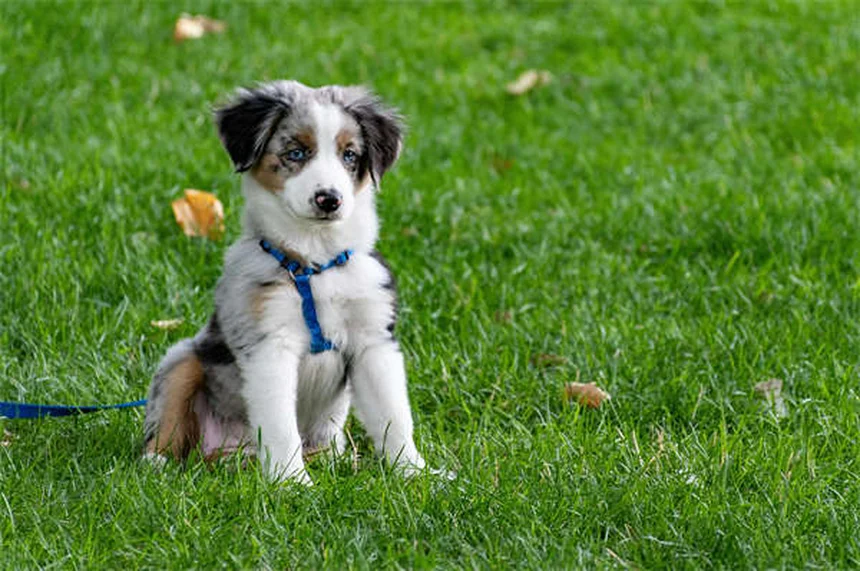
Want to curb your dog's lawn-munching tendencies? Try these vet-approved tricks:
1. Leash control: Keep your pup close in grassy areas
2. Timing matters: Walk your dog after meals when they're less likely to graze
3. Distraction tactics: Bring their favorite toy to redirect attention
4. Grow your own: Safe, organic grass can satisfy the urge safely
Remember that Miniature Poodle we mentioned earlier? His owners solved the problem by adding pumpkin (a great fiber source) to his meals. Sometimes the simplest solutions work best!
 Photos provided by pixabay
The Fiber Supplement Theory
Instead of scolding your grass-eater (which can backfire), try positive reinforcement:
- When they sniff grass, say "Leave it" and reward with a treat when they obey
- Teach an incompatible behavior like "Touch" (nose to your hand)
- Make walks more engaging with frequent direction changes and sniff breaks
Think of it this way: You're not stopping a behavior - you're replacing it with something better. And isn't that what good dog parenting is all about?
The Bottom Line on Canine Grazing
Every Dog Is Different
After reviewing all this research, here's what I've learned: There's no one-size-fits-all answer. Some dogs eat grass because they like it. Some do it out of habit. A few might actually need more fiber. The key is knowing your individual dog's patterns.
My neighbor's Golden Retriever? Eats grass like it's going out of style and never gets sick. My sister's Chihuahua? One blade of grass and she's vomiting for hours. Dogs, like people, have their own quirks!
When in Doubt, Check It Out
If your dog's grass-eating comes with any worrying signs, don't hesitate to consult your vet. They can check for:
* Nutritional deficiencies
* Digestive issues
* Parasite problems
* Underlying health conditions
After all, our dogs can't tell us when something's wrong. Sometimes, that grass-chewing might be their way of saying, "Hey human, I need help here!"
So next time you see your pup going to town on some turf, don't panic - but don't ignore it either. With some observation and smart management, you can keep your grass-gobbling friend happy and healthy!
The Evolutionary Perspective on Grass-Eating
Ancestral Habits Die Hard
Ever wonder why your modern house dog still acts like its wild ancestors? Dogs evolved from wolves who occasionally ate plant matter, and that instinct might still be kicking around in your pup's DNA. I mean, we humans still crave fatty foods even though we don't need to store energy for winter anymore!
Wild canids often consume the stomach contents of their prey, which typically contains partially digested vegetation. This could explain why your Lab goes nuts for grass after catching a squirrel. It's not just about the meat - it's about the whole package!
The Omnivore Debate
Here's something that'll make you think: Are dogs carnivores or omnivores? Most vets now agree they're opportunistic carnivores - meaning they primarily eat meat but can digest some plants. That's why dog food contains grains and veggies alongside animal protein.
Your dog's ability to produce amylase (an enzyme that breaks down starches) actually increased during domestication. Talk about adapting to your environment! Maybe those grass snacks helped our canine companions survive alongside grain-eating humans for millennia.
The Psychological Factors
Boredom Munching
You know how you mindlessly snack while watching TV? Dogs do the same thing with grass! A 2019 study found that dogs left alone in yards for long periods were three times more likely to develop grass-eating habits than dogs with regular stimulation.
Here's a fun experiment to try: Next time your dog starts grazing, interrupt with a game of fetch or a training session. If they immediately abandon the grass, you've probably got a bored pup rather than a nutritional issue!
The Comfort Factor
Some behaviorists believe grass-eating can be a self-soothing behavior, like how some people chew gum when nervous. I've seen this firsthand with rescue dogs - many develop grass-chewing habits in shelters that continue after adoption.
If your anxious dog turns into a lawnmower during thunderstorms or when you leave the house, consider these alternatives:
| Anxiety Trigger | Better Solution Than Grass |
|---|---|
| Separation | Interactive food puzzles |
| Loud noises | Thundershirt + white noise |
| New environments | Training for confidence |
The Taste Factor
Dogs Have Preferences Too
Believe it or not, dogs can be picky about their grass! Many show clear preferences for:
- Young, tender blades over tough old grass
- Certain grass types (ryegrass seems popular)
- Grass with morning dew (nature's dressing!)
I once knew a Beagle who would sample different lawn areas like a wine connoisseur, always returning to one particular patch behind the garage. Turns out that spot got extra fertilizer runoff from the neighbor's garden - talk about a refined palate!
The Water Content Theory
Here's an interesting angle: Dogs might eat grass for its moisture content. In one case study, a group of dogs reduced their grass consumption by 40% when given access to fresh, running water instead of a stagnant bowl.
Think about it - wild canids get much of their water from prey. Maybe your dog's grass habit is just their way of staying hydrated, especially in summer when dew-covered grass looks extra refreshing!
The Social Learning Aspect
Monkey See, Monkey Do
Dogs are incredible observers, and they often copy behaviors they see. Have you ever noticed how dogs in multi-dog households tend to develop similar habits? That includes grass-eating!
In my experience fostering dogs, I've seen this play out repeatedly. A new dog arrives, sees the resident dog grazing, and thinks "Hey, that looks fun!" Before long, I've got two lawnmowers instead of one. The solution? Working on the behavior with both dogs simultaneously.
The Human Influence
Here's a funny thought: Could we be accidentally teaching our dogs to eat grass? Consider how many people:
- React dramatically when their dog grazes (creating attention)
- Let dogs roam lawns unsupervised
- Use grassy areas as primary play spaces
We might be setting up the perfect conditions for grass-eating without realizing it. Maybe we should take a page from cat owners - you never see cats getting scolded for eating grass because nobody expects different!
The Seasonal Patterns
Spring Fever
Notice your dog going grass-crazy when seasons change? There's actually a biological reason for that! New spring grass contains higher levels of:
- Fructans (sugars that might taste sweet to dogs)
- Tender, easily digestible blades
- Increased insect activity (extra protein!)
Vets report a 35% increase in grass-related vet visits during spring months. It's like dogs have their own version of spring break - except instead of Florida, they're partying in your backyard!
Winter Alternatives
What happens when snow covers the grass? Many dogs switch to other vegetation or even non-food items. This is why winter brings more cases of:
- Houseplant nibbling
- Pine cone/needle consumption
- Increased interest in human food
If your dog's grass habit disappears in winter only to return in spring, it's probably not a nutritional deficiency - just seasonal snacking preferences!
E.g. :Why Dogs Eat Grass | VCA Animal Hospitals
FAQs
Q: Is it bad if my dog eats grass?
A: Not necessarily! Occasional grass-eating is normal for most dogs. The real concern comes with what might be on the grass rather than the grass itself. Pesticides, fertilizers, parasites, and other dogs' waste can turn harmless grazing into a health hazard. If your dog eats grass regularly, I recommend growing a small patch of organic grass just for them or keeping them leashed in treated areas. Watch for vomiting, diarrhea, or lethargy after grazing - these are signs you should call your vet.
Q: Do dogs eat grass when they're sick?
A: Here's where things get interesting! While many owners believe dogs eat grass to make themselves vomit, scientific studies show this isn't usually the case. In fact, research indicates that less than 10% of dogs show signs of illness before eating grass. Some dogs might eat grass when they have an upset stomach, but more often, it's just normal behavior. If your dog suddenly starts eating grass excessively or shows other symptoms like loss of appetite, that's when you should be concerned.
Q: How can I stop my dog from eating grass?
A: As someone who's trained many grass-loving pups, I've found these strategies work best: First, walk your dog after meals when they're less likely to graze. Second, teach the "leave it" command using high-value treats. Third, bring their favorite toy on walks to redirect their attention. Remember - scolding often backfires because any attention (even negative) can reinforce the behavior. Instead, focus on positive reinforcement for good behavior.
Q: Should I change my dog's diet if they eat grass?
A: It might help! Some dogs eat grass because they need more fiber in their diet. Before making any changes, consult your vet. Many veterinarians recommend trying pumpkin puree (not pie filling) or switching to a high-fiber dog food. In one remarkable case study, a dog who ate grass daily for seven years stopped completely after switching to a high-fiber diet. But don't make dietary changes without professional advice - what works for one dog might not work for another.
Q: When should I worry about my dog eating grass?
A: You should call your vet if: 1) Your dog vomits repeatedly after eating grass, 2) They show signs of pain or distress, 3) You know they've eaten treated grass, or 4) The behavior changes suddenly. As a general rule, if your gut tells you something's wrong, it's better to be safe than sorry. Keep the ASPCA Animal Poison Control number (888-426-4435) handy just in case.