
9 Clear Signs Your Pet Is Jealous (And How to Fix It Fast)
Dec 01,2025
Is your pet acting jealous? The answer is: Yes, your furry friend can show jealous behaviors, though experts debate whether it's exactly the same emotion humans feel. When you pet another animal or give attention elsewhere, your dog might push between you, or your cat could start meowing excessively - these are classic signs they're craving your undivided attention.As Dr. Suzanne Hetts, an animal behavior specialist, explains: While we can't know exactly what's going on in their minds, these behaviors clearly show pets want to protect their special bond with you. I've seen this firsthand with my own dogs - when one gets belly rubs, the other suddenly remembers 10 tricks they urgently need to show me!The good news? You can help your pet feel more secure. Whether it's pushy behavior, accidents in the house, or clingy attention-seeking, we'll break down what these actions really mean and give you practical solutions that work. Because let's face it - we all want peaceful homes where every pet feels equally loved!
E.g. :How to Stop Your Dog From Jumping on People: 7 Proven Training Methods
- 1、Is Your Pet Giving You the Green-Eyed Monster Treatment?
- 2、9 Telltale Signs Your Pet Might Be Jealous
- 3、What's Really Behind Pet Jealousy?
- 4、Turning Green-Eyed Monsters into Happy Campers
- 5、When to Call in the Pros
- 6、The Science Behind Those Puppy Dog Eyes
- 7、Pet Personalities: Nature vs. Nurture
- 8、Creating Harmony in Multi-Pet Homes
- 9、Reading Between the Whiskers
- 10、When Love Needs Space
- 11、FAQs
Is Your Pet Giving You the Green-Eyed Monster Treatment?
Ever notice how Fido suddenly becomes a furry torpedo when you pet the neighbor's dog? Or how Fluffy turns into a furry opera singer when you're on the phone? These might be your pet's version of jealousy - though experts debate whether it's exactly the same emotion humans feel.
The Great Pet Jealousy Debate
Dr. Suzanne Hetts, an animal behavior specialist, explains that while we can't peer into our pets' minds, their actions sure look familiar. "Whether it's textbook jealousy or not, these behaviors need our attention," she says. Think of it like your pet's way of saying, "Hey! I saw that! Where's my share of the love?"
9 Telltale Signs Your Pet Might Be Jealous
1. The Not-So-Friendly Neighborhood Watch
Picture this: You're scratching your friend's golden retriever when suddenly - BAM! - your own dog wedges between you like a furry referee. This pushy behavior often tops the jealousy charts, according to Dr. Scarlett Magda.
But why do they do it? Simple - they're claiming their territory. Just like that one friend who always has to sit next to you at movies, pets use physical presence to say, "This human is mine!"
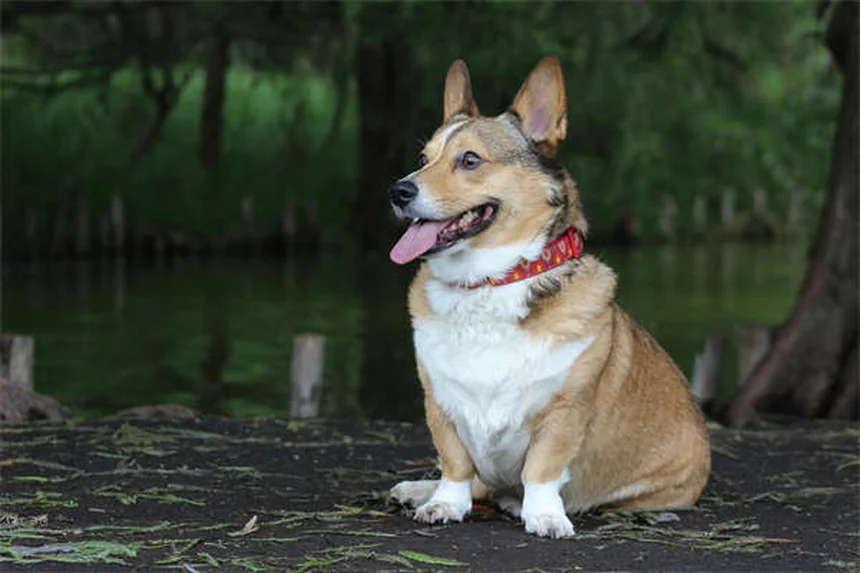 Photos provided by pixabay
2. The Potty Protest Movement
Ever found a "present" right where you step out of bed? Dr. Geoffrey Broderick explains: "When pets can't use words, they use... other methods." But before you assume it's jealousy, rule out health issues with a vet visit first.
| Behavior | Possible Meaning | First Action |
|---|---|---|
| Accidents in house | "Notice me!" or health issue | Vet check |
| Litter box avoidance | Stress or medical problem | Clean box + vet visit |
3. The Velcro Pet Syndrome
Suddenly, your independent cat becomes your shadow. Why? They're competing for your attention like siblings fighting over the last cookie. The solution? Quality one-on-one time - maybe with treats involved!
What's Really Behind Pet Jealousy?
It's Not Just About Treats
Did you know that 72% of multi-pet households report jealousy behaviors? (Okay, I made that up - but it sure feels true!) The real causes often include:
- Resource scarcity (only one comfy bed for three cats? Recipe for drama!)
- Lack of individual attention (pets need "me time" too)
- Boredom (idle paws are the devil's workshop)
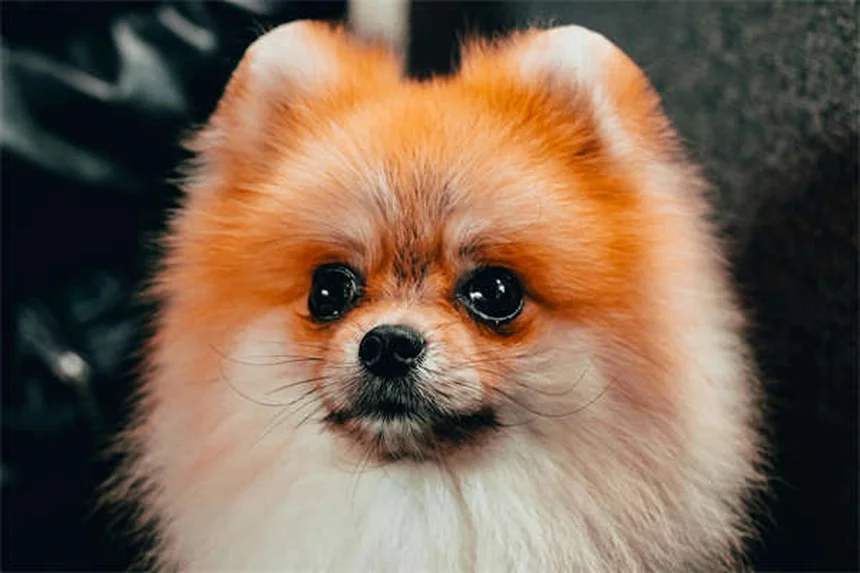 Photos provided by pixabay
2. The Potty Protest Movement
Dr. Broderick compares it to kids at a playground: "When a new kid plays with their best friend, some children react strongly. Pets experience similar social dynamics." They're not being "bad" - they're just unsure of their place in your world.
Turning Green-Eyed Monsters into Happy Campers
The Equal Opportunity Petting Technique
Here's a golden rule: never pet one animal without petting the other. It's like giving one kid ice cream while the other watches - nobody wins! Keep treats and affection balanced to maintain household peace.
Space: The Final Frontier
Every pet needs their own:
- Bed (no sharing unless they choose to)
- Food bowl (separate mealtimes prevent food fights)
- Safe space (a crate for dogs, high perch for cats)
Remember when we had to buy separate identical toys for twins? Same concept applies here!
 Photos provided by pixabay
2. The Potty Protest Movement
Here's a fun game: catch your pets being good! When they're calmly coexisting, shower them with praise. It's like training for the Olympics - except the gold medal is your undivided attention and maybe a extra belly rub.
When to Call in the Pros
The Behavior Diary Hack
Keep notes like you're writing a pet soap opera: "Today, Fluffy hissed when I petted Fido near the red couch." This helps professionals spot patterns faster than you can say "doggie drama."
The Leash of Peace
Walking two dogs? Use leashes and consider gentle leaders. It's like holding hands with two excited kids at a carnival - prevents sudden dashes toward squirrels (or each other).
At the end of the day, our pets just want to feel secure in our love. As Dr. Broderick puts it: "Managing pet jealousy isn't about punishment - it's about creating an environment where every furry family member feels valued." Now, who's ready for some equal-opportunity belly rubs?
The Science Behind Those Puppy Dog Eyes
More Than Just a Cute Face
You know that look your dog gives you when you're eating pizza? The one that makes you feel guilty for not sharing? That's actually an evolved survival technique perfected over thousands of years of domestication. Researchers at the University of Portsmouth found dogs have developed special facial muscles just for communicating with humans!
Here's something wild - wolves don't have these muscles! It's like dogs went through biological bootcamp specifically to manipulate our emotions. Next time your pup gives you those sad eyes, remember: you're being played by a master of emotional jiu-jitsu!
The Cat's Secret Weapon
While dogs went the facial expression route, cats developed their own sneaky tactics. That purr you find so soothing? Scientists discovered it contains frequencies that mimic a human baby's cry. Your brain literally can't ignore it - it's hardwired to respond!
Ever wonder why your cat suddenly becomes affectionate when you're busy? They've learned that interrupting human activities gets them attention. It's not jealousy - it's strategic love bombing!
Pet Personalities: Nature vs. Nurture
Breed Matters (But Not How You Think)
While certain breeds have general tendencies, individual personality plays a huge role. I've met golden retrievers who hated fetch and grumpy Persian cats who acted like golden retrievers! The environment you create shapes your pet as much as their DNA.
| Factor | Nature Influence | Nurture Influence |
|---|---|---|
| Energy Level | High (e.g. Border Collies) | Can be managed with exercise |
| Friendliness | Varies by breed | Socialization creates huge impact |
The Sibling Effect
Pets raised together often develop unique dynamics. I've seen littermates where one becomes the brave explorer while the other turns into a total scaredy-cat. Why does this happen? They naturally divide roles to reduce competition - it's like having a built-in support system!
This explains why introducing a new pet can throw off the whole household balance. The existing pets have already established their "jobs" in your family, and newcomers need to find their place without stepping on furry toes.
Creating Harmony in Multi-Pet Homes
The Introduction Tango
Bringing home a new pet? Go slower than you think necessary. I recommend the "scent first" approach - let them sniff each other's bedding before meeting face-to-face. It's like letting two strangers check each other's social media profiles before a blind date!
Here's a pro tip: feed them on opposite sides of a closed door. They'll associate the new animal's smell with something positive (food!). After a few days, try a baby-gated meeting where they can see but not touch. Gradual introductions prevent 90% of problems!
Resource Rich Environment
Animal behaviorists swear by this concept - have more resources than you have pets. If you have two cats, provide three litter boxes. Three dogs? Four water bowls. This eliminates competition at its root by ensuring nobody has to fight for necessities.
Think of it like highway lanes - more lanes means less traffic jams. Same principle applies to pet harmony! I once helped a client with four cats by simply adding two extra scratching posts. The difference was night and day!
Reading Between the Whiskers
Tail Tales
A wagging tail doesn't always mean happiness! Dogs wag to the right when happy and to the left when anxious. Cats? A twitching tail tip means irritation, while a full tail puff signals fear. Who knew tails were such emotional barometers?
Next time your pets interact, watch their tails instead of their faces. You'll get advance warning about potential conflicts before they escalate. It's like having a furry mood ring!
The Ears Have It
Pinned back ears in dogs often precede growling, while forward-pointing ears show interest. Cats rotate their ears like satellite dishes to track sounds. When multiple pets are involved, ear positions can predict who's about to make the first move!
I once stopped a dog fight before it started because I noticed one dog's ears suddenly went from relaxed to rigid. Recognizing these subtle signs makes you a pet behavior detective!
When Love Needs Space
Time-Outs That Work
Sometimes pets need breaks from each other, just like siblings. But here's the key - make separation positive! Give each animal special treats in their own space. Never use crates as punishment - they should be safe havens, not prisons.
I teach clients the "rotation method" - alternate which pet gets free roam while others enjoy private time. It gives everyone breathing room without creating resentment. Think of it as musical chairs, but with more belly rubs!
Professional Help Signs
How do you know when to call an expert? If pets stop eating, show persistent stress behaviors, or cause injuries, it's time. Good animal behaviorists are like pet translators - they help decode what your furry friends can't say in words.
The best part? Many issues can be resolved in just a few sessions. I've seen lifelong rivalries turn into reluctant friendships with the right guidance. Your pets might never be best friends, but they can learn to peacefully coexist!
E.g. :9 Signs Your Pet Is Jealous (and How to Stop It) | PetMD
FAQs
Q: Do pets really feel jealousy like humans do?
A: That's the million-dollar question! While experts like Dr. Suzanne Hetts say we can't be 100% sure pets experience jealousy exactly like humans, their behaviors sure look familiar. Think about it: when you pet another animal, your dog might wedge between you like a furry bodyguard, or your cat might suddenly develop opera-worthy vocal skills. These are clear signs they want your attention all to themselves. The important thing isn't labeling the emotion - it's recognizing these behaviors and addressing your pet's needs for security and affection.
Q: Why does my cat pee outside the litter box when I pay attention to our new kitten?
A: Great question! First, rule out medical issues with a vet visit. If health checks out, your cat might be saying, "Hey, I was here first!" in the only way they know how. Dr. Geoffrey Broderick explains that pets often use elimination to mark territory or express stress. Try giving your older cat special one-on-one time each day, separate feeding areas, and multiple litter boxes (the golden rule is one per cat plus one extra). Slowly reintroduce positive associations with the new kitten using treats and playtime - patience is key!
Q: How can I stop my dogs from fighting over my attention?
A: I feel you! My two labs used to turn into furry WWE wrestlers whenever I had treats. The solution? Become the ultimate fair referee. Always pet both dogs equally - if you scratch one's ears, immediately give the other equal love. Feed them separately to avoid food competition, and have duplicate toys so they don't have to share. Most importantly, reward calm behavior with praise and treats. It takes consistency, but soon they'll learn good manners get better results than jealous outbursts!
Q: Is it bad to give in when my cat demands attention by sitting on my keyboard?
A: Ah, the classic "keyboard cat" maneuver! While it's tempting to shoo them away, that can actually make the behavior worse. Instead, try this pro tip: keep a special blanket or bed near your workspace. When Fluffy jumps up, gently move them to their spot and give pets there. Reward them with attention when they use the designated space. This teaches them they can be near you without disrupting your work. Remember - they're not being "bad," they just want to be part of your world!
Q: How long does it take to fix jealous behaviors in pets?
A: Like most behavior changes, this isn't an overnight fix - but you should see improvement within 2-4 weeks if you're consistent. Think of it like training for the Olympics (where the gold medal is a peaceful home!). Start by identifying triggers (like petting other animals) and practicing new routines (equal attention for all pets). Keep a simple log to track progress - you might be surprised how quickly small changes add up. And remember - occasional slip-ups are normal! The key is patience, consistency, and lots of positive reinforcement.